
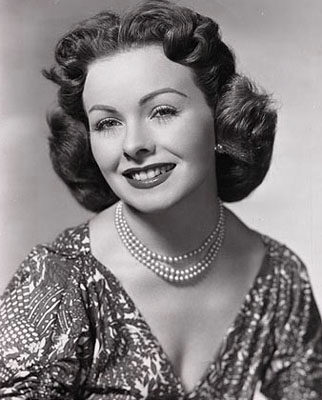
Jeanne Crain
Jeanne Crain was an American actress. Born May 25, 1925, in Barstow. Died December 14, 2003, in Santa Barbara.
Facts
11 facts · 2 confirmed by two sources · 2 cited · 7 from one source
Where this comes from
Papalocal keeps its own record. It started from these sources; what each one said is kept here as it was copied, so a change on their side never changes this page by itself. Tap one to read its version.
What Wikidata says · copied November 13, 2026 · revision 2557607726
- Described as
- American actress (1925–2003)
- Other names
- Jeanne Elizabeth Crain
- Born
- May 25, 1925 · 3 references
- Died
- December 14, 2003 · 3 references
- Born in
- Barstow
- Died in
- Santa Barbara · 1 reference
- Buried in
- Santa Barbara Cemetery · 1 reference
- Cause of death
- myocardial infarction
- Citizen of
- United States
- Occupation
- actor · 2 references; television actor; film actor
- Spouse
- Paul Brinkman (1945–2003) · 1 reference
- Wikipedias with a page
- 44
Wikidata item Q238032 (wikidata.org/wiki/Q238032), public domain (CC0). Copied November 13, 2026.
What Wikipedia says · copied November 13, 2026 · revision 1384185362
Jeanne Elizabeth Crain (May 25, 1925 – December 14, 2003) was an American actress. She was nominated for an Academy Award for Best Actress for the title role in Pinky (1949). She also starred in the films In the Meantime, Darling (1944), State Fair (1945), Leave Her to Heaven (1945), Centennial Summer (1946), Margie (1946), Apartment for Peggy (1948), A Letter to Three Wives (1949), Cheaper by the Dozen (1950), People Will Talk (1951), Man Without a Star (1955), Gentlemen Marry Brunettes (1955), The Fastest Gun Alive (1956), and The Joker Is Wild (1957).
- Born, in its opening lines
- May 25, 1925
- Died, in its opening lines
- December 14, 2003
From the Wikipedia article “Jeanne Crain” (en.wikipedia.org/wiki/Jeanne_Crain), by its contributors, under CC BY-SA 4.0 (creativecommons.org/licenses/by-sa/4.0/). Copied November 13, 2026; not changed.
Confirmed Two sources agree. Cited One source, and it names where it got it. One source One source, without a reference of its own. Sources disagree The sources disagree. We show the best-supported value and keep theirs below.
