
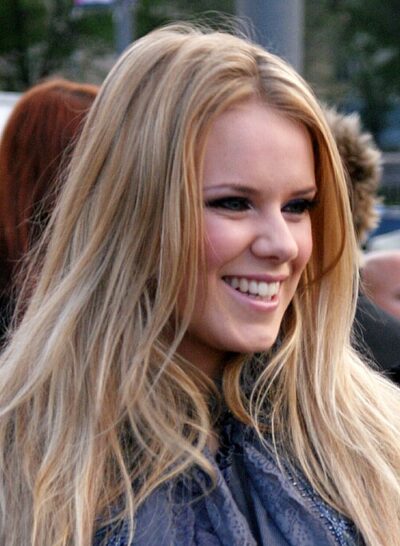
Jóhanna Guðrún Jónsdóttir is an Icelandic-Danish singer. Born October 16, 1990, in Copenhagen.
Facts
11 facts · 1 confirmed by two sources · 2 cited · 8 from one source
Where this comes from
Papalocal keeps its own record. It started from these sources; what each one said is kept here as it was copied, so a change on their side never changes this page by itself. Tap one to read its version.
What Wikidata says · copied November 16, 2026 · revision 2531279319
- Described as
- Icelandic-Danish singer
- Other names
- Jóhanna Gudrún Jónsdóttir, Johanna Gudrun Jonsdottir, Yohanna
- Born
- October 16, 1990 · 1 reference
- Born in
- Copenhagen
- Citizen of
- Iceland · 1 reference
- Occupation
- singer · 1 reference
- Genre
- pop music; pop rock; rhythm and blues; soul
- Instrument
- voice
- Record label
- Warner Music Group; Sound Factory
- Wikipedias with a page
- 50
Wikidata item Q190957 (wikidata.org/wiki/Q190957), public domain (CC0). Copied November 16, 2026.
What Wikipedia says · copied November 16, 2026 · revision 1371071546
Jóhanna Guðrún Jónsdóttir (born 16 October 1990), known outside Iceland as Yohanna, is an Icelandic singer. Beginning her music career as a child singer, Yohanna received international recognition after representing Iceland in the Eurovision Song Contest 2009 with the song "Is It True?", placing as the runner-up. This tied for the best result Iceland had ever achieved in the contest. Following the success at Eurovision, she released the studio album Butterflies and Elvis (2009).
Following Eurovision 2009, Yohanna has since attempted to represent Iceland again on two occasions. In 2011, she reached the finals of Söngvakeppni Sjónvarpsins 2011 with the song "Nótt", and later won the OGAE Second Chance Contest 2011 as well, while she failed to reach the finals in Söngvakeppnin 2013 with the song "Þú".
- Born, in its opening lines
- October 16, 1990
From the Wikipedia article “Yohanna” (en.wikipedia.org/wiki/Yohanna), by its contributors, under CC BY-SA 4.0 (creativecommons.org/licenses/by-sa/4.0/). Copied November 16, 2026; not changed.
Confirmed Two sources agree. Cited One source, and it names where it got it. One source One source, without a reference of its own. Sources disagree The sources disagree. We show the best-supported value and keep theirs below.
