
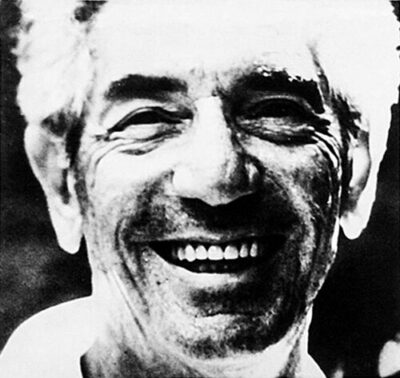
John Marley
John Marley was an American actor. Born October 17, 1907, in New York City. Died May 22, 1984, in Los Angeles. Educated at City College of New York.
Facts
15 facts · 2 confirmed by two sources · 4 cited · 9 from one source
Where this comes from
Papalocal keeps its own record. It started from these sources; what each one said is kept here as it was copied, so a change on their side never changes this page by itself. Tap one to read its version.
What Wikidata says · copied November 16, 2026 · revision 2558712317
- Described as
- American actor (1907-1984)
- Born
- October 17, 1907 · 5 references
- Died
- May 22, 1984 · 5 references
- Born in
- New York City
- Died in
- Los Angeles
- Buried in
- New Jersey
- Cause of death
- surgical complications
- Citizen of
- United States
- Occupation
- stage actor; film actor · 1 reference; television actor; theatre director · 1 reference
- Education
- City College of New York
- Genre
- Western
- Field
- film acting · 1 reference; directing · 1 reference
- Wikipedias with a page
- 23
Wikidata item Q946196 (wikidata.org/wiki/Q946196), public domain (CC0). Copied November 16, 2026.
What Wikipedia says · copied November 16, 2026 · revision 1378619431
John Marley (born Mortimer Leon Marlieb; October 17, 1907 – May 22, 1984) was an American actor and theatre director. He won the Volpi Cup for Best Actor at the 29th Venice International Film Festival for his performance in John Cassavetes' Faces (1968), and was nominated for an Academy Award and a Golden Globe Award for his role in Love Story (1970). He was also known to film audiences for his role as Jack Woltz—the defiant film mogul who awakens to find the severed head of his prized thoroughbred horse in his bed—in The Godfather (1972).
- Born, in its opening lines
- October 17, 1907
- Died, in its opening lines
- May 22, 1984
From the Wikipedia article “John Marley” (en.wikipedia.org/wiki/John_Marley), by its contributors, under CC BY-SA 4.0 (creativecommons.org/licenses/by-sa/4.0/). Copied November 16, 2026; not changed.
Confirmed Two sources agree. Cited One source, and it names where it got it. One source One source, without a reference of its own. Sources disagree The sources disagree. We show the best-supported value and keep theirs below.
