
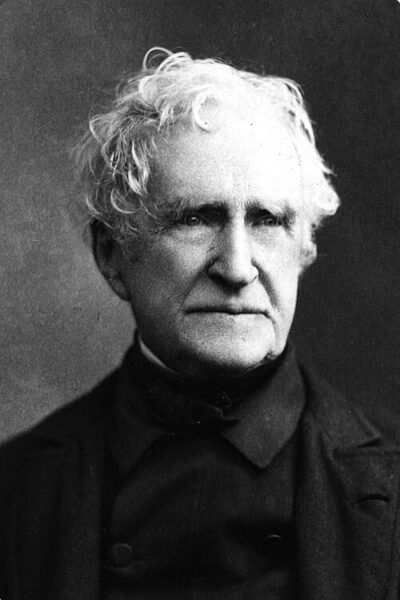
John Neal was an American writer. Born August 25, 1793, in Portland. Died June 20, 1876, in Portland.
Facts
14 facts · 2 confirmed by two sources · 3 cited · 9 from one source
Where this comes from
Papalocal keeps its own record. It started from these sources; what each one said is kept here as it was copied, so a change on their side never changes this page by itself. Tap one to read its version.
What Wikidata says · copied November 18, 2026 · revision 2561537238
- Described as
- American writer (1793–1876)
- Born
- August 25, 1793 · 3 references
- Died
- June 20, 1876 · 2 references
- Born in
- Portland · 1 reference
- Died in
- Portland
- Buried in
- Western Cemetery · 1 reference
- Citizen of
- United States
- Occupation
- writer · 2 references; literary critic; novelist; journalist; poet; art historian · 2 references; magazine writer; editor
- Wikipedias with a page
- 15
Wikidata item Q2345564 (wikidata.org/wiki/Q2345564), public domain (CC0). Copied November 18, 2026.
What Wikipedia says · copied November 18, 2026 · revision 1382894510
John Neal (August 25, 1793 – June 20, 1876) was an American writer, critic, editor, lecturer, and activist. Considered both eccentric and influential, he delivered speeches and published essays, novels, poems, and short stories between the 1810s and 1870s in the United States and Great Britain, championing American literary nationalism and regionalism in their earliest stages. Neal advanced the development of American art, fought for women's rights, advocated the end of slavery and racial prejudice, and helped establish the American gymnastics movement.
The first American author to use natural diction and a pioneer of colloquialism, Neal was the first to use the phrase son-of-a-bitch in a US work of fiction. He attained his greatest literary achievements between 1817 and 1835, during which time he was America's first daily newspaper columnist, the first American published in British literary journals, author of the first history of American literature, America's first art critic, a short story pioneer, a children's literature pioneer, and a forerunner of the American Renaissance. As one of the first men to advocate women's rights in the US and the first American lecturer on the issue, for over fifty years he supported female writers and organizers, affirmed intellectual equality between men and women, fought coverture laws against women's economic rights, and demanded suffrage, equal pay, and better education for women. He was the first American to establish a public gymnasium in the US and championed athletics to regulate violent tendencies with which he himself had struggled throughout his life.
A largely self-educated man who attended no schools after the age of twelve, Neal was a child laborer who left self-employment in dry goods at twenty-two to pursue dual careers in law and literature. By middle age, Neal had attained comfortable wealth and community standing in his native Portland, Maine, through varied business investments, arts patronage, and civic leadership.
Neal is considered an author without a masterpiece, though his short stories are his highest literary achievements and ranked with the best of his age. Rachel Dyer is considered his best novel, "Otter-Bag, the Oneida Chief" and "David Whicher" his best tales, and The Yankee his most influential periodical. His "Rights of Women" speech (1843) at the peak of his influence as a feminist had a considerable impact on the future of the movement.
- Born, in its opening lines
- August 25, 1793
- Died, in its opening lines
- June 20, 1876
From the Wikipedia article “John Neal” (en.wikipedia.org/wiki/John_Neal), by its contributors, under CC BY-SA 4.0 (creativecommons.org/licenses/by-sa/4.0/). Copied November 18, 2026; not changed.
Confirmed Two sources agree. Cited One source, and it names where it got it. One source One source, without a reference of its own. Sources disagree The sources disagree. We show the best-supported value and keep theirs below.
