
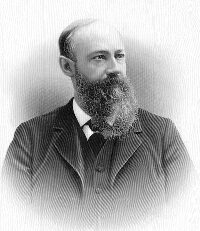
John Wesley Hyatt
John Wesley Hyatt was an American inventor of plastic. Born November 28, 1837, in New York City. Died May 10, 1920, in Millburn. Known for celluloid. Awards include Perkin Medal, National Inventors Hall of Fame and John Scott Award.
Facts
14 facts · 2 confirmed by two sources · 5 cited · 7 from one source
Where this comes from
Papalocal keeps its own record. It started from these sources; what each one said is kept here as it was copied, so a change on their side never changes this page by itself. Tap one to read its version.
What Wikidata says · copied November 15, 2026 · revision 2558016331
- Described as
- American inventor of plastic (1837-1920)
- Born
- November 28, 1837 · 4 references
- Died
- May 10, 1920 · 4 references
- Born in
- New York City
- Died in
- Millburn · 1 reference
- Buried in
- Fair Mount Cemetery · 1 reference
- Citizen of
- United States
- Occupation
- chemist; inventor; entrepreneur; engineer
- Known for
- celluloid
- Awards
- Perkin Medal (1914) · 1 reference; National Inventors Hall of Fame (2006) · 1 reference; John Scott Award (1898) · 1 reference
- Wikipedias with a page
- 24
Wikidata item Q902371 (wikidata.org/wiki/Q902371), public domain (CC0). Copied November 15, 2026.
What Wikipedia says · copied November 15, 2026 · revision 1339557507
John Wesley Hyatt (November 28, 1837 – May 10, 1920) was an American inventor. He is known for simplifying the production of celluloid.
Hyatt, a Perkin Medal recipient, is included in the National Inventors Hall of Fame. He had nearly 238 patents to his credit, including improvements to sugar cane mills and water filtration devices.
- Born, in its opening lines
- November 28, 1837
- Died, in its opening lines
- May 10, 1920
From the Wikipedia article “John Wesley Hyatt” (en.wikipedia.org/wiki/John_Wesley_Hyatt), by its contributors, under CC BY-SA 4.0 (creativecommons.org/licenses/by-sa/4.0/). Copied November 15, 2026; not changed.
Confirmed Two sources agree. Cited One source, and it names where it got it. One source One source, without a reference of its own. Sources disagree The sources disagree. We show the best-supported value and keep theirs below.
