
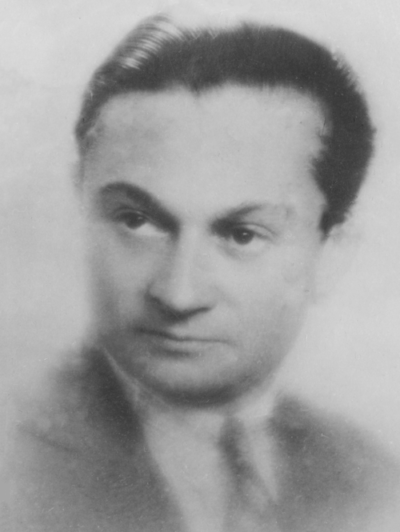
Julien Duvivier
Julien Duvivier was a French film director. Born October 8, 1896, in Lille. Died October 29, 1967, in Paris. Known for Un carnet de bal.
Facts
13 facts · 2 confirmed by two sources · 8 cited · 3 from one source
Where this comes from
Papalocal keeps its own record. It started from these sources; what each one said is kept here as it was copied, so a change on their side never changes this page by itself. Tap one to read its version.
What Wikidata says · copied November 16, 2026 · revision 2558044648
- Described as
- French film director (1896–1967)
- Born
- October 8, 1896 · 8 references
- Died
- October 29, 1967 · 6 references
- Born in
- Lille · 2 references
- Died in
- Paris · 2 references
- Buried in
- Cimetière Ancien de Rueil-Malmaison
- Cause of death
- myocardial infarction · 1 reference
- Citizen of
- France
- Occupation
- film director · 5 references; screenwriter · 3 references; director · 2 references; actor · 1 reference; writer · 1 reference
- Known for
- Un carnet de bal
- Wikipedias with a page
- 37
Wikidata item Q453683 (wikidata.org/wiki/Q453683), public domain (CC0). Copied November 16, 2026.
What Wikipedia says · copied November 16, 2026 · revision 1374610948
Julien Duvivier (French: [ʒyljɛ̃ dyvivje]; 8 October 1896 – 29 October 1967) was a French film director and screenwriter. He was prominent in French cinema in the years 1930–1960. Amongst his most original films, chiefly notable are La Bandera, Pépé le Moko, Little World of Don Camillo, Panic (Panique), Deadlier Than the Male and Marianne de ma jeunesse.
Jean Renoir called him, a "great technician, [a] rigorist, a poet".
- Born, in its opening lines
- October 8, 1896
- Died, in its opening lines
- October 29, 1967
From the Wikipedia article “Julien Duvivier” (en.wikipedia.org/wiki/Julien_Duvivier), by its contributors, under CC BY-SA 4.0 (creativecommons.org/licenses/by-sa/4.0/). Copied November 16, 2026; not changed.
Confirmed Two sources agree. Cited One source, and it names where it got it. One source One source, without a reference of its own. Sources disagree The sources disagree. We show the best-supported value and keep theirs below.
