
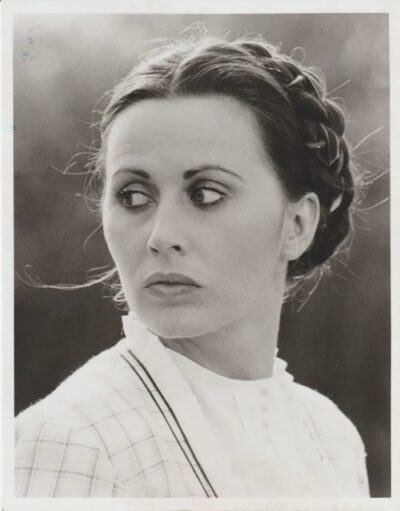
Kate Nelligan
Kate Nelligan is a Canadian actress. Born March 16, 1950, in London. Educated at Royal Central School of Speech and Drama and London South Collegiate Institute. Awards include Evening Standard Theatre Award for Best Actress.
Facts
9 facts · 1 confirmed by two sources · 1 cited · 7 from one source
Where this comes from
Papalocal keeps its own record. It started from these sources; what each one said is kept here as it was copied, so a change on their side never changes this page by itself. Tap one to read its version.
What Wikidata says · copied November 15, 2026 · revision 2552729374
- Described as
- Canadian actress
- Other names
- Patricia Colleen Nelligan
- Born
- March 16, 1950 · 2 references
- Born in
- London
- Citizen of
- Canada
- Occupation
- stage actor; film actor; television actor · 1 reference
- Education
- Royal Central School of Speech and Drama · 1 reference; London South Collegiate Institute
- Awards
- Evening Standard Theatre Award for Best Actress (1978)
- Wikipedias with a page
- 29
Wikidata item Q266467 (wikidata.org/wiki/Q266467), public domain (CC0). Copied November 15, 2026.
What Wikipedia says · copied November 15, 2026 · revision 1385751140
Patricia Colleen Nelligan (born March 16, 1950), known professionally as Kate Nelligan, is a Canadian retired stage, film and television actress. She was nominated for the Academy Award for Best Supporting Actress for the 1991 film The Prince of Tides, and the same year won the BAFTA Award for Best Actress in a Supporting Role for Frankie and Johnny. She is also a four-time Tony Award nominee for her work on Broadway, receiving nominations for Plenty (1983), A Moon for the Misbegotten (1984), Serious Money (1988) and Spoils of War (1989).
- Born, in its opening lines
- March 16, 1950
From the Wikipedia article “Kate Nelligan” (en.wikipedia.org/wiki/Kate_Nelligan), by its contributors, under CC BY-SA 4.0 (creativecommons.org/licenses/by-sa/4.0/). Copied November 15, 2026; not changed.
Confirmed Two sources agree. Cited One source, and it names where it got it. One source One source, without a reference of its own. Sources disagree The sources disagree. We show the best-supported value and keep theirs below.
