
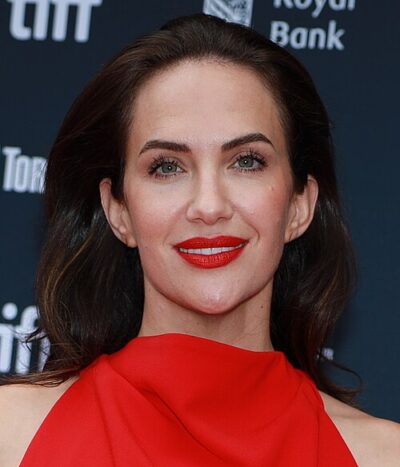
Kate Siegel
Kate Siegel is an American actress and writer. Born August 9, 1982, in Silver Spring. Educated at Syracuse University and St. Andrew's Episcopal School.
Facts
15 facts · 0 confirmed by two sources · 6 cited · 9 from one source
Where this comes from
Papalocal keeps its own record. It started from these sources; what each one said is kept here as it was copied, so a change on their side never changes this page by itself. Tap one to read its version.
What Wikidata says · copied November 15, 2026 · revision 2556127119
- Described as
- American actress and writer (born 1982)
- Other names
- Kate Gordon Siegelbaum
- Born
- August 9, 1982 · 1 reference
- Born in
- Silver Spring · 1 reference
- Citizen of
- United States
- Occupation
- screenwriter; actor · 1 reference; television actor · 1 reference; film actor · 1 reference; voice actor · 1 reference; film director · 1 reference; film screenwriter · 1 reference
- Education
- Syracuse University; St. Andrew's Episcopal School · 1 reference
- Member of
- Writers Guild of America West
- Spouse
- Mike Flanagan · 1 reference
- Children
- Cody Flanagan
- Wikipedias with a page
- 25
Wikidata item Q6375780 (wikidata.org/wiki/Q6375780), public domain (CC0). Copied November 15, 2026.
What Wikipedia says · copied November 15, 2026 · revision 1384496630
Kate Siegel ( SEE-gəl), is an American actress, writer and director. Dubbed a scream queen for her extensive work in the horror genre, Siegel is known for her collaborations with her husband, Mike Flanagan. She has starred in the films Oculus (2013); Hush, which she co-wrote, and Ouija: Origin of Evil (both 2016); Gerald's Game (2017); and The Life of Chuck (2024). On television, she has starred in the series The Haunting of Hill House (2018), The Haunting of Bly Manor (2020), Midnight Mass (2021), and The Fall of the House of Usher (2023).
From the Wikipedia article “Kate Siegel” (en.wikipedia.org/wiki/Kate_Siegel), by its contributors, under CC BY-SA 4.0 (creativecommons.org/licenses/by-sa/4.0/). Copied November 15, 2026; not changed.
Confirmed Two sources agree. Cited One source, and it names where it got it. One source One source, without a reference of its own. Sources disagree The sources disagree. We show the best-supported value and keep theirs below.
