
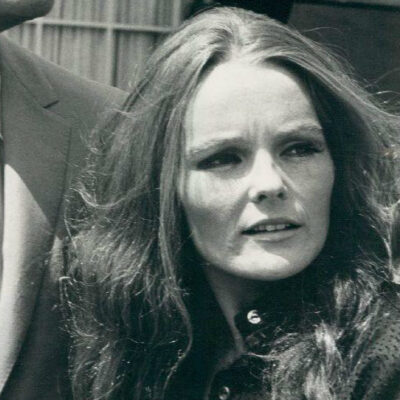
Katharine Houghton
Katharine Houghton is an American actress, playwright. Born March 10, 1945, in Hartford. Educated at Sarah Lawrence College and Kingswood-Oxford School. Awards include Theatre World Award.
Facts
15 facts · 1 confirmed by two sources · 4 cited · 10 from one source
Where this comes from
Papalocal keeps its own record. It started from these sources; what each one said is kept here as it was copied, so a change on their side never changes this page by itself. Tap one to read its version.
What Wikidata says · copied November 16, 2026 · revision 2530031007
- Described as
- American actress, playwright
- Born
- March 10, 1945 · 2 references
- Born in
- Hartford
- Citizen of
- United States
- Occupation
- actor · 1 reference; playwright; stage actor; television actor; film actor; writer
- Education
- Sarah Lawrence College; Kingswood-Oxford School
- Awards
- Theatre World Award (1970) · 1 reference
- Spouse
- Ken Jenkins (1970–)
- Father
- Ellsworth Grant · 1 reference
- Mother
- Marion Grant · 1 reference
- Wikipedias with a page
- 21
Wikidata item Q273727 (wikidata.org/wiki/Q273727), public domain (CC0). Copied November 16, 2026.
What Wikipedia says · copied November 16, 2026 · revision 1379256925
Katharine Houghton (born Katharine Houghton Grant, March 10, 1945) is an American actress and playwright. She portrayed Joanna "Joey" Drayton, a white woman who brings home her black fiancé to meet her parents, in the 1967 film Guess Who's Coming to Dinner. Katharine Hepburn, who played the mother of Houghton's character in the film, was Houghton's aunt. Houghton was nominated for a Golden Globe Award for her performance. She is also known for her role as Kanna, the grandmother of Katara and Sokka in the film The Last Airbender (2010).
- Born, in its opening lines
- March 10, 1945
From the Wikipedia article “Katharine Houghton” (en.wikipedia.org/wiki/Katharine_Houghton), by its contributors, under CC BY-SA 4.0 (creativecommons.org/licenses/by-sa/4.0/). Copied November 16, 2026; not changed.
Confirmed Two sources agree. Cited One source, and it names where it got it. One source One source, without a reference of its own. Sources disagree The sources disagree. We show the best-supported value and keep theirs below.
