
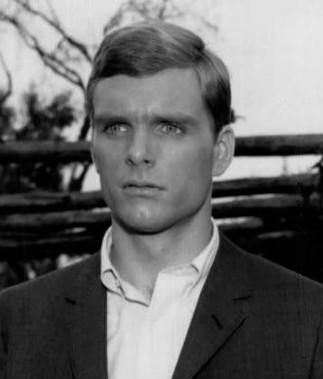
Keir Dullea
Keir Dullea is an American actor. Born May 30, 1936, in Cleveland. Educated at San Francisco State University and Rutgers University.
Facts
13 facts · 1 confirmed by two sources · 3 cited · 9 from one source
Where this comes from
Papalocal keeps its own record. It started from these sources; what each one said is kept here as it was copied, so a change on their side never changes this page by itself. Tap one to read its version.
What Wikidata says · copied November 15, 2026 · revision 2562732097
- Described as
- American actor
- Born
- May 30, 1936 · 4 references
- Born in
- Cleveland · 1 reference
- Citizen of
- United States
- Occupation
- actor · 1 reference; stage actor; television actor; film actor · 1 reference
- Education
- San Francisco State University; Rutgers University; George School · 1 reference; Neighborhood Playhouse School of the Theatre
- Spouse
- Mia Dillon; Margot Bennett (1960–1968)
- Wikipedias with a page
- 31
Wikidata item Q692979 (wikidata.org/wiki/Q692979), public domain (CC0). Copied November 15, 2026.
What Wikipedia says · copied November 15, 2026 · revision 1384737589
Keir Atwood Dullea ( KEER doo-LAY; born May 30, 1936) is an American actor. He is known for his portrayal of astronaut David Bowman in the 1968 film 2001: A Space Odyssey and its 1984 sequel, 2010: The Year We Make Contact.
His other film roles include David and Lisa (1962), Bunny Lake Is Missing (1965) and Black Christmas (1974). Dullea studied acting at the Neighborhood Playhouse School of the Theatre in New York City. He has also performed on stage in New York City and in regional theaters; he has said that despite being more recognized for his film work, he prefers the stage.
- Born, in its opening lines
- May 30, 1936
From the Wikipedia article “Keir Dullea” (en.wikipedia.org/wiki/Keir_Dullea), by its contributors, under CC BY-SA 4.0 (creativecommons.org/licenses/by-sa/4.0/). Copied November 15, 2026; not changed.
Confirmed Two sources agree. Cited One source, and it names where it got it. One source One source, without a reference of its own. Sources disagree The sources disagree. We show the best-supported value and keep theirs below.
