
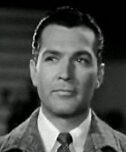
Kent Taylor was an American actor. Born May 11, 1906, in Nashua. Died April 11, 1987, in Hollywood. Awards include star on Hollywood Walk of Fame.
Facts
11 facts · 2 confirmed by two sources · 1 cited · 8 from one source
What’s different
- Born: we show May 11, 1906 (Confirmed). Wikidata also lists May 11, 1907
Where this comes from
Papalocal keeps its own record. It started from these sources; what each one said is kept here as it was copied, so a change on their side never changes this page by itself. Tap one to read its version.
What Wikidata says · copied November 18, 2026 · revision 2554007500
- Described as
- American actor (1907–1987)
- Born
- May 11, 1907 · 1 reference; May 11, 1906 · 1 reference
- Died
- April 11, 1987 · 1 reference
- Born in
- Nashua
- Died in
- Hollywood
- Buried in
- Westwood Village Memorial Park Cemetery
- Cause of death
- disease
- Citizen of
- United States
- Occupation
- actor · 1 reference; television actor; film actor
- Awards
- star on Hollywood Walk of Fame · 1 reference
- Wikipedias with a page
- 17
Wikidata item Q930598 (wikidata.org/wiki/Q930598), public domain (CC0). Copied November 18, 2026.
What Wikipedia says · copied November 18, 2026 · revision 1384233553
Kent Taylor (born Louis William Weiss; May 11, 1906 – April 11, 1987) was an American actor of film and television. Taylor appeared in more than 110 films, the bulk of them B-movies in the 1930s and 1940s, although he also had roles in more prestigious studio releases, including Merrily We Go to Hell (1932), I'm No Angel (1933), Cradle Song (1933), Death Takes a Holiday (1934), Payment on Demand (1951), and Track the Man Down (1955). He had the lead role in Half Past Midnight in 1948, among a few others.
- Born, in its opening lines
- May 11, 1906
- Died, in its opening lines
- April 11, 1987
From the Wikipedia article “Kent Taylor” (en.wikipedia.org/wiki/Kent_Taylor), by its contributors, under CC BY-SA 4.0 (creativecommons.org/licenses/by-sa/4.0/). Copied November 18, 2026; not changed.
Confirmed Two sources agree. Cited One source, and it names where it got it. One source One source, without a reference of its own. Sources disagree The sources disagree. We show the best-supported value and keep theirs below.
