
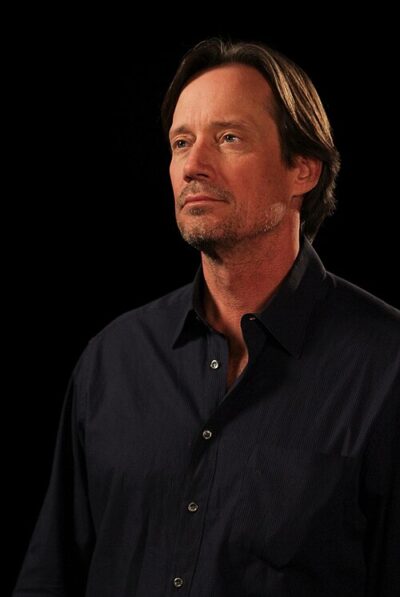
Kevin Sorbo
Kevin Sorbo is an American actor. Born September 24, 1958, in Mound. Educated at University of Minnesota and Minnesota State University Moorhead.
Facts
18 facts · 1 confirmed by two sources · 3 cited · 14 from one source
Where this comes from
Papalocal keeps its own record. It started from these sources; what each one said is kept here as it was copied, so a change on their side never changes this page by itself. Tap one to read its version.
What Wikidata says · copied November 13, 2026 · revision 2549121351
- Described as
- American actor
- Other names
- Kevin David Sorbo
- Born
- September 24, 1958
- Born in
- Mound
- Citizen of
- United States
- Occupation
- actor · 3 references; television actor; film actor; film director · 1 reference; film producer · 1 reference; writer
- Education
- University of Minnesota; Minnesota State University Moorhead; Westonka High School · 1 reference
- Spouse
- Sam Jenkins (1998–) · 1 reference
- Children
- Braeden Sorbo; Shane Sorbo
- Religion
- Lutheranism; nondenominational Christianity
- Website
- https://www.kevinsorbo.net
- Wikipedias with a page
- 42
Wikidata item Q313655 (wikidata.org/wiki/Q313655), public domain (CC0). Copied November 13, 2026.
What Wikipedia says · copied November 13, 2026 · revision 1385406734
Kevin David Sorbo (born September 24, 1958) is an American actor, director and producer. He has had starring roles in two television series: as Hercules in Hercules: The Legendary Journeys (1995–1999) and as Captain Dylan Hunt in Andromeda (2000–2005). Sorbo played his first leading film role in the 1997 fantasy film Kull the Conqueror. Sorbo is also known for acting in Christian films, such as God's Not Dead (2014) and Let There Be Light (2017).
- Born, in its opening lines
- September 24, 1958
From the Wikipedia article “Kevin Sorbo” (en.wikipedia.org/wiki/Kevin_Sorbo), by its contributors, under CC BY-SA 4.0 (creativecommons.org/licenses/by-sa/4.0/). Copied November 13, 2026; not changed.
Confirmed Two sources agree. Cited One source, and it names where it got it. One source One source, without a reference of its own. Sources disagree The sources disagree. We show the best-supported value and keep theirs below.
