
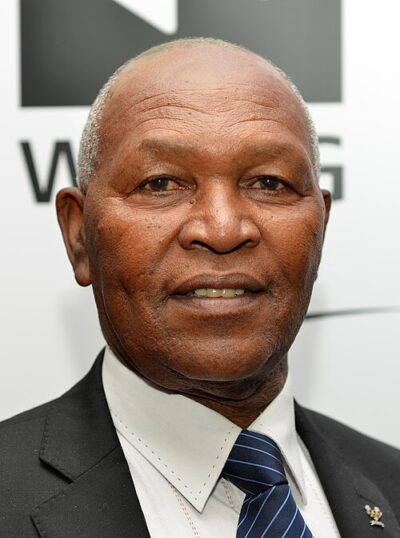
Kip Keino
Kip Keino is a Kenyan athlete. Born January 17, 1940, in Nandi County. Awards include Silver Olympic Order (2 times) and Olympic Laurel.
Facts
11 facts · 1 confirmed by two sources · 2 cited · 8 from one source
Where this comes from
Papalocal keeps its own record. It started from these sources; what each one said is kept here as it was copied, so a change on their side never changes this page by itself. Tap one to read its version.
What Wikidata says · copied November 16, 2026 · revision 2558083901
- Described as
- Kenyan athlete
- Other names
- Kipchoge Hezekiah Keino, Kip Kano
- Born
- January 17, 1940 · 2 references
- Born in
- Nandi County · 1 reference
- Citizen of
- Kenya
- Occupation
- long-distance runner; middle-distance runner; athletics competitor
- Member of
- International Olympic Committee
- Sport
- athletics
- Awards
- Silver Olympic Order (2 times) (1994, 2011) · 1 reference; Olympic Laurel (2016)
- Height
- 1.73 m (5 ft 8 in)
- Wikipedias with a page
- 42
Wikidata item Q28947 (wikidata.org/wiki/Q28947), public domain (CC0). Copied November 16, 2026.
What Wikipedia says · copied November 16, 2026 · revision 1371463036
Kipchoge Hezekiah Keino (born 17 January 1940) is a retired Kenyan track and field athlete. He was the chairman of the Kenyan Olympic Committee (KOC) until 29 September 2017. A two-time Olympic gold medalist, Keino was among the first in a long line of successful middle and long distance runners to come from the country and has helped and inspired many of his countrymen and women to become the athletics force that they are today. In 2000, he became an honorary member of the International Olympic Committee (IOC). In 2012, he was one of 24 athletes inducted as inaugural members of the IAAF Hall of Fame.
- Born, in its opening lines
- January 17, 1940
From the Wikipedia article “Kipchoge Keino” (en.wikipedia.org/wiki/Kipchoge_Keino), by its contributors, under CC BY-SA 4.0 (creativecommons.org/licenses/by-sa/4.0/). Copied November 16, 2026; not changed.
Confirmed Two sources agree. Cited One source, and it names where it got it. One source One source, without a reference of its own. Sources disagree The sources disagree. We show the best-supported value and keep theirs below.
