
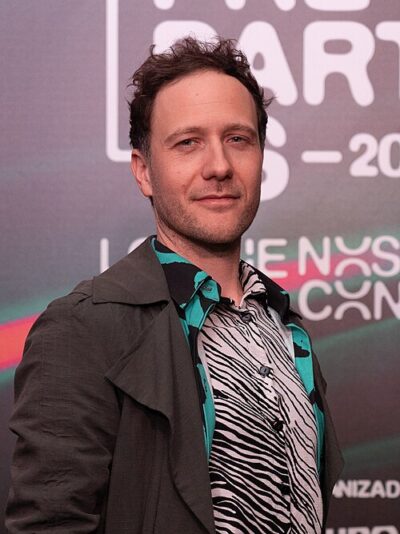
Klemen Slakonja
Klemen Slakonja is a Slovene actor. Born June 3, 1985, in Brežice. Educated at University of Ljubljana.
Facts
15 facts · 1 confirmed by two sources · 0 cited · 14 from one source
Where this comes from
Papalocal keeps its own record. It started from these sources; what each one said is kept here as it was copied, so a change on their side never changes this page by itself. Tap one to read its version.
What Wikidata says · copied November 16, 2026 · revision 2568289452
- Described as
- Slovene actor
- Born
- June 3, 1985
- Born in
- Brežice
- Citizen of
- Slovenia (1991–); Socialist Federal Republic of Yugoslavia
- Occupation
- actor; comedian; television presenter; television producer · 1 reference; impressionist; radio personality; singer; television actor
- Education
- University of Ljubljana
- Spouse
- Mojca Fatur (2010–)
- Website
- http://klemenslakonja.com · 1 reference
- Wikipedias with a page
- 30
Wikidata item Q4423164 (wikidata.org/wiki/Q4423164), public domain (CC0). Copied November 16, 2026.
What Wikipedia says · copied November 16, 2026 · revision 1358094537
Klemen Slakonja (born 3 June 1985) is a Slovenian actor, singer, comedian, television host, and musician. He was employed at the Ljubljana Slovene National Theatre Drama and acting between 2010 to 2018. He represented Slovenia in the Eurovision Song Contest 2025 with the song "How Much Time Do We Have Left".
Slakonja studied at the Academy of Theatre, Radio, Film and Television. He is known in Slovenia for his comedy sketches, often made in the form of music videos, as well as for anchoring various shows such as the Slovenian national finals for the Eurovision Song Contest. He has made numerous impersonations of Slovenian musicians, Slovene philosopher Slavoj Žižek, Pope Francis, Vladimir Putin, Donald Trump, Angela Merkel and others.
- Born, in its opening lines
- June 3, 1985
From the Wikipedia article “Klemen Slakonja” (en.wikipedia.org/wiki/Klemen_Slakonja), by its contributors, under CC BY-SA 4.0 (creativecommons.org/licenses/by-sa/4.0/). Copied November 16, 2026; not changed.
Confirmed Two sources agree. Cited One source, and it names where it got it. One source One source, without a reference of its own. Sources disagree The sources disagree. We show the best-supported value and keep theirs below.
