
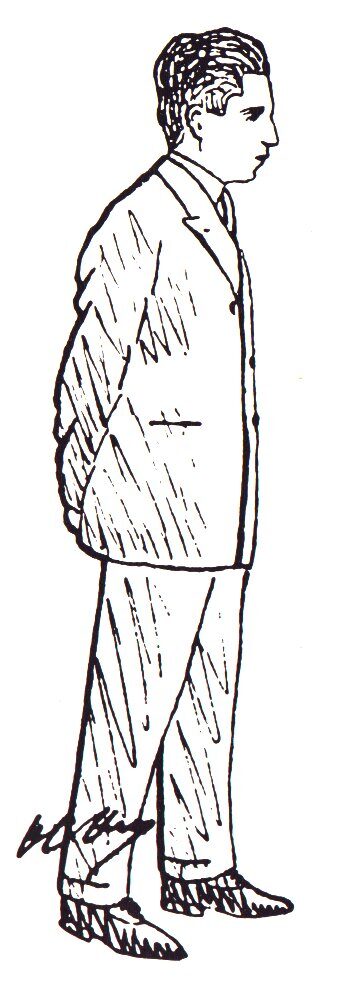
Kostas Karyotakis
Kostas Karyotakis was a Greek poet. Born October 30, 1896, in Tripoli. Died July 21, 1928, in Preveza. Educated at National and Kapodistrian University of Athens.
Facts
11 facts · 1 confirmed by two sources · 1 cited · 8 from one source · 1 where the sources disagree
What’s different
- Died: we show July 21, 1928 (Sources disagree). Wikipedia says July 20, 1928
Where this comes from
Papalocal keeps its own record. It started from these sources; what each one said is kept here as it was copied, so a change on their side never changes this page by itself. Tap one to read its version.
What Wikidata says · copied November 17, 2026 · revision 2567908790
- Described as
- Greek poet (1896–1928)
- Born
- October 30, 1896 · 1 reference
- Died
- July 21, 1928 · 2 references
- Born in
- Tripoli
- Died in
- Preveza
- Cause of death
- gunshot wound
- Citizen of
- Greece
- Occupation
- translator; writer · 1 reference; civil servant; poet
- Education
- National and Kapodistrian University of Athens (–1917)
- Wikipedias with a page
- 25
Wikidata item Q559833 (wikidata.org/wiki/Q559833), public domain (CC0). Copied November 17, 2026.
What Wikipedia says · copied November 17, 2026 · revision 1366983652
Kostas Karyotakis (; Greek: Κώστας Καρυωτάκης [karʝioˈtakis]; 11 November (OS October 30), 1896 – 20 July 1928) is considered one of the most representative Greek poets of the 1920s and one of the first poets to use iconoclastic themes in Greece.
His poetry conveys a great deal of nature, imagery and traces of expressionism and surrealism. He also belongs to the Greek Lost Generation movement. The majority of Karyotakis' contemporaries viewed him in a dim light throughout his lifetime without a pragmatic accountability for their contemptuous views; for after his suicide, the majority began to revert to the view that he was indeed a great poet. He had a significant, almost disproportionately progressive influence on later Greek poets.
- Born, in its opening lines
- 1896
- Died, in its opening lines
- July 20, 1928
From the Wikipedia article “Kostas Karyotakis” (en.wikipedia.org/wiki/Kostas_Karyotakis), by its contributors, under CC BY-SA 4.0 (creativecommons.org/licenses/by-sa/4.0/). Copied November 17, 2026; not changed.
Confirmed Two sources agree. Cited One source, and it names where it got it. One source One source, without a reference of its own. Sources disagree The sources disagree. We show the best-supported value and keep theirs below.
