
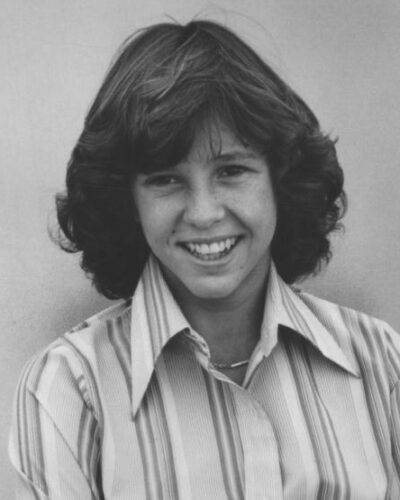
Kristy McNichol
Kristy McNichol is an American actress. Born September 11, 1962, in Los Angeles. Awards include Golden Raspberry Award for Worst Supporting Actress and Primetime Emmy Award for Outstanding Supporting Actress in a Drama Series (2 times).
Facts
12 facts · 1 confirmed by two sources · 3 cited · 8 from one source
Where this comes from
Papalocal keeps its own record. It started from these sources; what each one said is kept here as it was copied, so a change on their side never changes this page by itself. Tap one to read its version.
What Wikidata says · copied November 15, 2026 · revision 2567564735
- Described as
- American actress
- Other names
- Christina Ann McNichol
- Born
- September 11, 1962 · 1 reference
- Born in
- Los Angeles · 1 reference
- Citizen of
- United States
- Occupation
- actor · 2 references; singer; television actor; film actor; voice actor
- Instrument
- voice
- Awards
- Golden Raspberry Award for Worst Supporting Actress (1989) · 1 reference; Primetime Emmy Award for Outstanding Supporting Actress in a Drama Series (2 times) (1977, 1979)
- Siblings
- Jimmy McNichol
- Wikipedias with a page
- 29
Wikidata item Q441452 (wikidata.org/wiki/Q441452), public domain (CC0). Copied November 15, 2026.
What Wikipedia says · copied November 15, 2026 · revision 1382279767
Christina Ann "Kristy" McNichol (born September 11, 1962) is an American former actress. Beginning her career as a child actress, she rose to fame in 1976 with her role as the teenage daughter Letitia "Buddy" Lawrence in the TV drama Family for which she won two Emmy Awards. Subsequent roles included Angel in the film Little Darlings, Polly in Only When I Laugh, and Barbara Weston in the TV sitcom Empty Nest. McNichol retired from acting in 2001.
- Born, in its opening lines
- September 11, 1962
From the Wikipedia article “Kristy McNichol” (en.wikipedia.org/wiki/Kristy_McNichol), by its contributors, under CC BY-SA 4.0 (creativecommons.org/licenses/by-sa/4.0/). Copied November 15, 2026; not changed.
Confirmed Two sources agree. Cited One source, and it names where it got it. One source One source, without a reference of its own. Sources disagree The sources disagree. We show the best-supported value and keep theirs below.
