
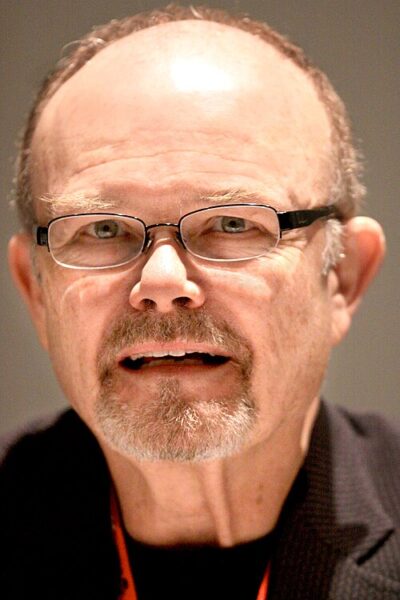
Kurtwood Smith
Kurtwood Smith is an American actor. Born July 3, 1943, in New Lisbon. Educated at Stanford University and San José State University.
Facts
15 facts · 1 confirmed by two sources · 1 cited · 13 from one source
Where this comes from
Papalocal keeps its own record. It started from these sources; what each one said is kept here as it was copied, so a change on their side never changes this page by itself. Tap one to read its version.
What Wikidata says · copied November 15, 2026 · revision 2568289215
- Described as
- American actor
- Other names
- Kurtwood Larson Smith
- Born
- July 3, 1943 · 1 reference
- Born in
- New Lisbon
- Citizen of
- United States
- Occupation
- actor; character actor; dub actor; television actor; film actor; voice actor
- Education
- Stanford University; San José State University; College of San Mateo · 1 reference; Canoga Park High School · 1 reference
- Field
- acting · 1 reference
- Lived in
- Glendale
- Wikipedias with a page
- 37
Wikidata item Q317228 (wikidata.org/wiki/Q317228), public domain (CC0). Copied November 15, 2026.
What Wikipedia says · copied November 15, 2026 · revision 1385597056
Kurtwood Larson Smith (born July 3, 1943) is an American actor. He is known for playing Clarence Boddicker in RoboCop (1987), Robert Griggs in Rambo III (1988), Thomas Perry in Dead Poets Society (1989), Stump Sisson in A Time to Kill (1996), as well as Red Forman in That '70s Show (1998–2006) and That '90s Show (2023–2024), along with his many appearances in science fiction films and television programs (Lou Grant, Star Trek, The X-Files). He also starred in the seventh season of 24. He voiced Gene on Regular Show (2012–2017), portrayed Leslie Claret on Patriot (2015–2018), and Old Man Peterson on The Ranch (2017–2020).
- Born, in its opening lines
- July 3, 1943
From the Wikipedia article “Kurtwood Smith” (en.wikipedia.org/wiki/Kurtwood_Smith), by its contributors, under CC BY-SA 4.0 (creativecommons.org/licenses/by-sa/4.0/). Copied November 15, 2026; not changed.
Confirmed Two sources agree. Cited One source, and it names where it got it. One source One source, without a reference of its own. Sources disagree The sources disagree. We show the best-supported value and keep theirs below.
