
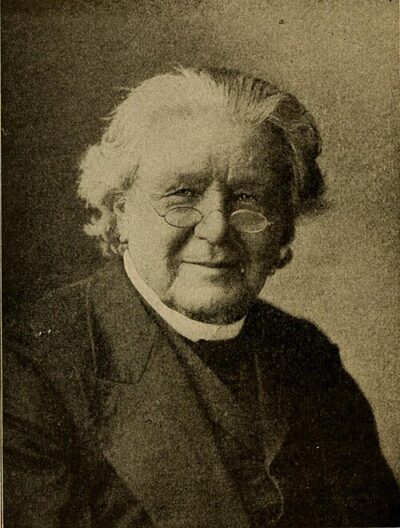
L. L. Langstroth
L. L. Langstroth was an American beekeeper. Born December 25, 1810, in Philadelphia. Died October 6, 1895, in Dayton. Educated at Yale University. Awards include National Inventors Hall of Fame.
Facts
11 facts · 2 confirmed by two sources · 3 cited · 6 from one source
Where this comes from
Papalocal keeps its own record. It started from these sources; what each one said is kept here as it was copied, so a change on their side never changes this page by itself. Tap one to read its version.
What Wikidata says · copied November 16, 2026 · revision 2566737896
- Described as
- American beekeeper (1810–1895)
- Other names
- Lorenzo L. Langstroth, Lorenzo Lorraine Langstroth
- Born
- December 25, 1810 · 4 references
- Died
- October 6, 1895 · 4 references
- Born in
- Philadelphia · 1 reference
- Died in
- Dayton · 1 reference
- Buried in
- Woodland Cemetery and Arboretum
- Citizen of
- United States
- Occupation
- beekeeper · 1 reference; inventor · 1 reference
- Worked for
- Yale University
- Education
- Yale University
- Awards
- National Inventors Hall of Fame (2007) · 1 reference
- Wikipedias with a page
- 23
Wikidata item Q951544 (wikidata.org/wiki/Q951544), public domain (CC0). Copied November 16, 2026.
What Wikipedia says · copied November 16, 2026 · revision 1380693889
Lorenzo Lorraine Langstroth (December 25, 1810 – October 6, 1895) was an American apiarist, clergyman, and teacher, who has been called the father of American beekeeping. He recognized the concept of bee-space, a minimum distance that bees avoid sealing up. Although not his own discovery, the use of this principle allowed for the use of frames that the bees leave separate and this allowed the use of rectangular frames within the design of what is now called the Langstroth hive.
- Born, in its opening lines
- December 25, 1810
- Died, in its opening lines
- October 6, 1895
From the Wikipedia article “L. L. Langstroth” (en.wikipedia.org/wiki/L._L._Langstroth), by its contributors, under CC BY-SA 4.0 (creativecommons.org/licenses/by-sa/4.0/). Copied November 16, 2026; not changed.
Confirmed Two sources agree. Cited One source, and it names where it got it. One source One source, without a reference of its own. Sources disagree The sources disagree. We show the best-supported value and keep theirs below.
