
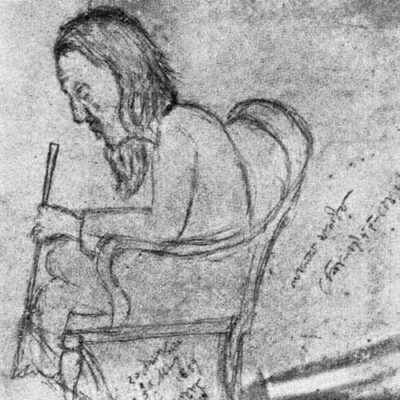
Lalon
Lalon was a Bengali poet, composer and Baul saint. Born 1772, in Jhenaidah District. Died October 17, 1890, in Kushtia.
Facts
9 facts · 1 confirmed by two sources · 1 cited · 6 from one source · 1 where the sources disagree
What’s different
- Born: we show 1772 (Sources disagree). Wikipedia says 1774
Where this comes from
Papalocal keeps its own record. It started from these sources; what each one said is kept here as it was copied, so a change on their side never changes this page by itself. Tap one to read its version.
What Wikidata says · copied November 18, 2026 · revision 2554583372
- Described as
- Bengali poet, composer and Baul saint
- Other names
- Lalon Shah, Lalon Fokir, Lalon Saint, Mahatma Lalon, Lalon Shah,, Lalon Fakir
- Born
- 1772
- Died
- October 17, 1890
- Born in
- Jhenaidah District · 1 reference
- Died in
- Kushtia · 1 reference
- Citizen of
- British Raj
- Occupation
- poet; lyricist; composer; writer · 1 reference
- Wikipedias with a page
- 20
Wikidata item Q3347988 (wikidata.org/wiki/Q3347988), public domain (CC0). Copied November 18, 2026.
What Wikipedia says · copied November 18, 2026 · revision 1384104146
Lalon (Bengali: লালন, pronounced [ˈlalon] ; 1774 – 17 October 1890), also known as Lalon Shah, Lalon Fakir, Lalon Shai, and Shahji, was a Bengali spiritual leader, philosopher, mystic poet and social reformer. Born in what is now Khulna Division in Bangladesh, Lalon was a disciple of Malam Shah and Siraj Shah. He is regarded as an icon of Bengali culture, for inspiring and influencing many poets and social thinkers including Rabindranath Tagore, Kazi Nazrul Islam and Allen Ginsberg. Lalon's philosophy of humanity rejects all distinctions of caste, class, and creed and takes a stand against theological conflicts and racism. It denies all worldly affairs in search of the soul and embodied the socially transformative role of sub-continental Sufism and Bhakti.
Lalon founded the institute known as Lalon Akhra in Cheuriya, about 2 kilometres (1.2 mi) from Kushtia railway station in southwestern Bangladesh. His disciples dwell mostly in Bangladesh and Indian states of West Bengal, Tripura and Assam’s Barak Valley. Every year on the occasion of his death anniversary, thousands of his disciples and followers assemble at Lalon Akhra and pay homage to him through celebration and discussion of his songs and philosophy for three days.
In 2004, Lalon was ranked 12 in BBC's poll of the Greatest Bengali of all time.
- Born, in its opening lines
- 1774
- Died, in its opening lines
- October 17, 1890
From the Wikipedia article “Lalon” (en.wikipedia.org/wiki/Lalon), by its contributors, under CC BY-SA 4.0 (creativecommons.org/licenses/by-sa/4.0/). Copied November 18, 2026; not changed.
Confirmed Two sources agree. Cited One source, and it names where it got it. One source One source, without a reference of its own. Sources disagree The sources disagree. We show the best-supported value and keep theirs below.
