
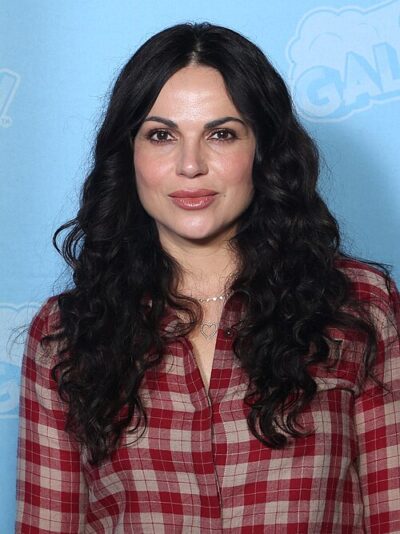
Lana Parrilla
Lana Parrilla is an American actress. Born July 15, 1977, in Brooklyn. Educated at Fort Hamilton High School and Beverly Hills Playhouse.
Facts
14 facts · 1 confirmed by two sources · 3 cited · 10 from one source
Where this comes from
Papalocal keeps its own record. It started from these sources; what each one said is kept here as it was copied, so a change on their side never changes this page by itself. Tap one to read its version.
What Wikidata says · copied November 13, 2026 · revision 2567710368
- Described as
- American actress
- Other names
- Lana Maria Parrilla
- Born
- July 15, 1977 · 1 reference
- Born in
- Brooklyn · 2 references
- Name at birth
- Lana Maria Parrilla
- Citizen of
- United States
- Occupation
- actor · 1 reference; television actor; film actor; LGBTQ rights activist · 1 reference
- Education
- Fort Hamilton High School; Beverly Hills Playhouse
- Spouse
- Fred Di Blasio; ex
- Father
- Sam Parrilla
- Lived in
- Boerum Hill
- Wikipedias with a page
- 41
Wikidata item Q242155 (wikidata.org/wiki/Q242155), public domain (CC0). Copied November 13, 2026.
What Wikipedia says · copied November 13, 2026 · revision 1384288713
Lana Parrilla (born July 15, 1977) is an American actress. She was a regular cast member in the fifth season of the ABC sitcom Spin City (2000–2001) and in the fourth season of 24 (2005), and starred in Boomtown (2002–2003), Windfall (2006), Swingtown (2008), and as Dr. Eva Zambrano in the short-lived medical drama Miami Medical (2010), and as The Evil Queen / Regina Mills in the ABC fantasy drama series Once Upon a Time (2011–2018). Among her awards and nominations is a 2012 ALMA Award win for Outstanding TV Actress—Drama. In 2021, she played the role of Rita Castillo in the second season of Why Women Kill.
- Born, in its opening lines
- July 15, 1977
From the Wikipedia article “Lana Parrilla” (en.wikipedia.org/wiki/Lana_Parrilla), by its contributors, under CC BY-SA 4.0 (creativecommons.org/licenses/by-sa/4.0/). Copied November 13, 2026; not changed.
Confirmed Two sources agree. Cited One source, and it names where it got it. One source One source, without a reference of its own. Sources disagree The sources disagree. We show the best-supported value and keep theirs below.
