
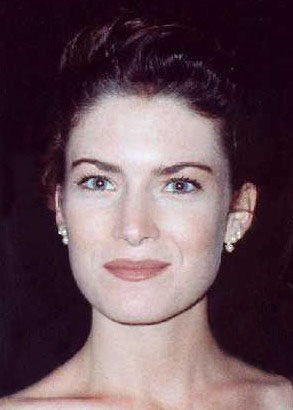
Lara Flynn Boyle
Lara Flynn Boyle is an American actress. Born March 24, 1970, in Davenport. Educated at Chicago Academy for the Arts and School of the Art Institute of Chicago.
Facts
9 facts · 1 confirmed by two sources · 1 cited · 7 from one source
Where this comes from
Papalocal keeps its own record. It started from these sources; what each one said is kept here as it was copied, so a change on their side never changes this page by itself. Tap one to read its version.
What Wikidata says · copied November 13, 2026 · revision 2563164051
- Described as
- American actress (born 1970)
- Born
- March 24, 1970 · 2 references
- Born in
- Davenport
- Citizen of
- United States
- Occupation
- television actor; film actor; actor · 1 reference; singer · 1 reference
- Education
- Chicago Academy for the Arts · 1 reference; School of the Art Institute of Chicago
- Wikipedias with a page
- 61
Wikidata item Q486103 (wikidata.org/wiki/Q486103), public domain (CC0). Copied November 13, 2026.
What Wikipedia says · copied November 13, 2026 · revision 1385508465
Lara Flynn Boyle (born March 24, 1970) is an American actress. She is known for playing Donna Hayward in the television series Twin Peaks (1990–1991). After appearing in Penelope Spheeris's comedy Wayne's World (1992), Boyle had a lead role in John Dahl's neo-noir film Red Rock West (1993), and in the psychological thriller The Temp (1993), followed by roles in Threesome and Baby's Day Out (both in 1994), Cafe Society (1995), Happiness (1998), and the villainous Serleena in Men in Black II (2002). From 1997 to 2003, she starred in the ABC series The Practice, for which she received a Primetime Emmy Award nomination.
- Born, in its opening lines
- March 24, 1970
From the Wikipedia article “Lara Flynn Boyle” (en.wikipedia.org/wiki/Lara_Flynn_Boyle), by its contributors, under CC BY-SA 4.0 (creativecommons.org/licenses/by-sa/4.0/). Copied November 13, 2026; not changed.
Confirmed Two sources agree. Cited One source, and it names where it got it. One source One source, without a reference of its own. Sources disagree The sources disagree. We show the best-supported value and keep theirs below.
