
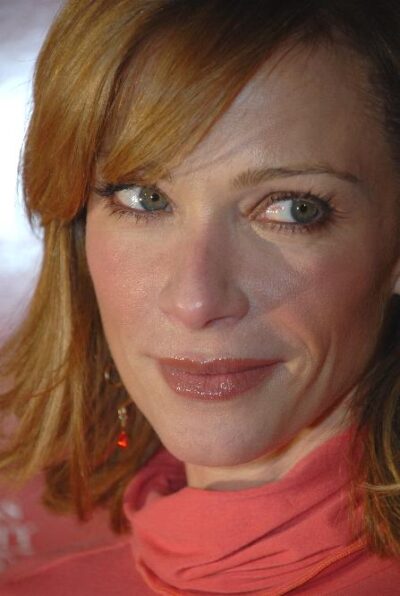
Lauren Holly
Lauren Holly is an American actress. Born October 28, 1963, in Bristol. Educated at Sarah Lawrence College and Geneva High School.
Facts
19 facts · 1 confirmed by two sources · 2 cited · 16 from one source
Where this comes from
Papalocal keeps its own record. It started from these sources; what each one said is kept here as it was copied, so a change on their side never changes this page by itself. Tap one to read its version.
What Wikidata says · copied November 13, 2026 · revision 2561700214
- Described as
- American actress
- Other names
- Lauren Michael Holly
- Born
- October 28, 1963 · 2 references
- Born in
- Bristol · 1 reference
- Citizen of
- United States; Canada (2008–)
- Occupation
- actor · 1 reference; film producer; television actor; film actor; voice actor; model · 1 reference
- Education
- Sarah Lawrence College; Geneva High School · 1 reference
- Spouse
- Danny Quinn (1991–1993); Francis Greco (2001–2014); Jim Carrey (1996–1997)
- Children
- Azer Greco
- Mother
- Michael Ann Holly
- Lived in
- Oakville
- Website
- http://www.laurenholly.com
- Wikipedias with a page
- 47
Wikidata item Q229560 (wikidata.org/wiki/Q229560), public domain (CC0). Copied November 13, 2026.
What Wikipedia says · copied November 13, 2026 · revision 1381702939
Lauren Michael Holly (born October 28, 1963) is an American and Canadian actress. She has played the roles of Deputy Sheriff Maxine Stewart in the television series Picket Fences, NCIS Director Jenny Shepard in the series NCIS, and Dr. Betty Rogers on Motive. In film, she portrayed Mary Swanson in Dumb and Dumber (1994), Bruce Lee's wife Linda Lee in Dragon: The Bruce Lee Story (1993), Darian Smalls in Beautiful Girls (1996), and Gigi in What Women Want (2000).
- Born, in its opening lines
- October 28, 1963
From the Wikipedia article “Lauren Holly” (en.wikipedia.org/wiki/Lauren_Holly), by its contributors, under CC BY-SA 4.0 (creativecommons.org/licenses/by-sa/4.0/). Copied November 13, 2026; not changed.
Confirmed Two sources agree. Cited One source, and it names where it got it. One source One source, without a reference of its own. Sources disagree The sources disagree. We show the best-supported value and keep theirs below.
