
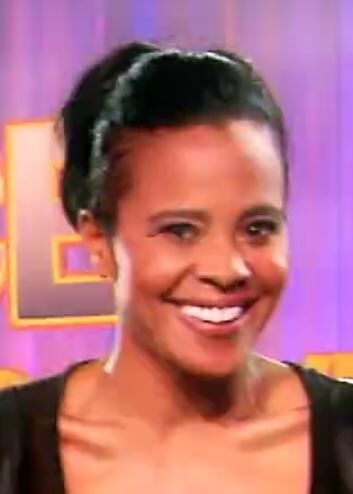
Laurieann Gibson is a Canadian choreographer. Born July 14, 1969, in Toronto. Known for Making the Band, P. Diddy's Starmaker and Born to Dance: Laurieann Gibson. Educated at Alvin Ailey American Dance Theater.
Facts
17 facts · 1 confirmed by two sources · 0 cited · 16 from one source
Where this comes from
Papalocal keeps its own record. It started from these sources; what each one said is kept here as it was copied, so a change on their side never changes this page by itself. Tap one to read its version.
What Wikidata says · copied November 18, 2026 · revision 2532167394
- Described as
- Canadian choreographer
- Born
- July 14, 1969
- Born in
- Toronto
- Citizen of
- Canada
- Occupation
- actor; choreographer; singer; film director · 1 reference
- Education
- Alvin Ailey American Dance Theater
- Genre
- hip-hop
- Known for
- Making the Band; P. Diddy's Starmaker; Born to Dance: Laurieann Gibson; The Dance Scene; Dance Moms; Honey; Honey 2
- Website
- http://www.boomkack.com
- Wikipedias with a page
- 15
Wikidata item Q272407 (wikidata.org/wiki/Q272407), public domain (CC0). Copied November 18, 2026.
What Wikipedia says · copied November 18, 2026 · revision 1374293446
Laurieann Gibson (born July 14, 1969) is a Canadian choreographer, director, television personality, singer, actress, and dancer. She has choreographed dance numbers for musical artists such as Michael Jackson, Alicia Keys, Lady Gaga, and Beyoncé. Her music video directing credits include "Judas", "You and I", and "Love to My Cobain".
In 2005, Gibson rose to prominence on the MTV reality series Making the Band, and later worked as a judge on Little Talent Show, Skating with the Stars, and So You Think You Can Dance. Gibson also had a brief musical career, in which she released two albums.
- Born, in its opening lines
- July 14, 1969
From the Wikipedia article “Laurieann Gibson” (en.wikipedia.org/wiki/Laurieann_Gibson), by its contributors, under CC BY-SA 4.0 (creativecommons.org/licenses/by-sa/4.0/). Copied November 18, 2026; not changed.
Confirmed Two sources agree. Cited One source, and it names where it got it. One source One source, without a reference of its own. Sources disagree The sources disagree. We show the best-supported value and keep theirs below.
