
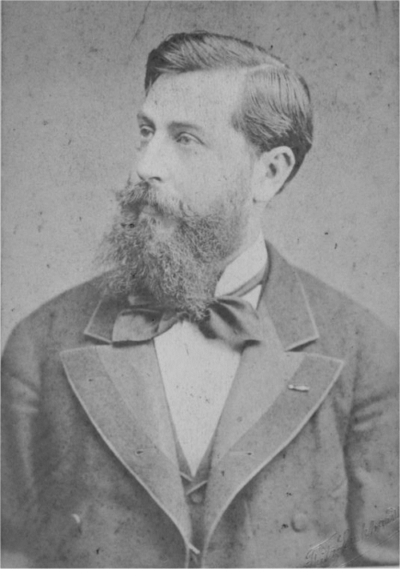
Léo Delibes
Léo Delibes was a French composer. Born February 21, 1836, in La Flèche. Died January 16, 1891, in Paris. Known for Lakmé, Sylvia and Le roi l'a dit. Educated at Conservatoire de Paris. Awards include Officer of the Legion of Honour.
Facts
24 facts · 2 confirmed by two sources · 11 cited · 11 from one source
Where this comes from
Papalocal keeps its own record. It started from these sources; what each one said is kept here as it was copied, so a change on their side never changes this page by itself. Tap one to read its version.
What Wikidata says · copied November 16, 2026 · revision 2567599416
- Described as
- French composer (1836–1891)
- Other names
- Clément Philibert Léo Delibes, Delibes, Léo
- Born
- February 21, 1836 · 14 references
- Died
- January 16, 1891 · 13 references
- Born in
- La Flèche · 2 references
- Died in
- Paris · 3 references
- Buried in
- Montmartre Cemetery · 1 reference
- Name at birth
- Clément Philibert Léo Delibes
- Citizen of
- France
- Occupation
- composer · 2 references; university teacher; organist · 2 references
- Worked for
- Conservatoire de Paris (1880–) · 1 reference; Paris Opera (1863–) · 1 reference; Theatre Lyrique (1855–) · 1 reference
- Education
- Conservatoire de Paris
- Member of
- Académie des beaux-arts (1884–1891)
- Genre
- opera
- Instrument
- organ
- Known for
- Lakmé; Sylvia; Le roi l'a dit; Coppélia
- Awards
- Officer of the Legion of Honour · 1 reference
- Father
- Philibert Delibes · 1 reference
- Mother
- Clémence Batiste · 1 reference
- Wikipedias with a page
- 54
Wikidata item Q207951 (wikidata.org/wiki/Q207951), public domain (CC0). Copied November 16, 2026.
What Wikipedia says · copied November 16, 2026 · revision 1363111499
Clément Philibert Léo Delibes (French: [klemɑ̃ filibɛʁ leo dəlib]; 21 February 1836 – 16 January 1891) was a French Romantic composer, best known for his ballets and operas. His works include the ballets Coppélia (1870) and Sylvia (1876) and the opera Lakmé (1883), which includes the well-known "Flower Duet".
Born into a musical family, Delibes enrolled at France's foremost music academy, the Conservatoire de Paris, when he was twelve, studying under several professors including Adolphe Adam. After composing light comic opérettes in the 1850s and 1860s, while also serving as a church organist, Delibes achieved public recognition for his music for the ballet La Source in 1866. His later ballets Coppélia and Sylvia were key works in the development of modern ballet, giving the music much greater importance than previously. He composed a small number of mélodies, some of which are still performed frequently.
Delibes had several attempts at writing more serious operas, and achieved a considerable critical and commercial success in 1883 with Lakmé. In his later years he joined the faculty of the Conservatoire, teaching composition. He died at his home in Paris at the age of 54. Coppélia and Sylvia remain core works in the international ballet repertoire, and Lakmé is revived from time to time in opera houses.
- Born, in its opening lines
- February 21, 1836
- Died, in its opening lines
- January 16, 1891
From the Wikipedia article “Léo Delibes” (en.wikipedia.org/wiki/Léo_Delibes), by its contributors, under CC BY-SA 4.0 (creativecommons.org/licenses/by-sa/4.0/). Copied November 16, 2026; not changed.
Confirmed Two sources agree. Cited One source, and it names where it got it. One source One source, without a reference of its own. Sources disagree The sources disagree. We show the best-supported value and keep theirs below.
