
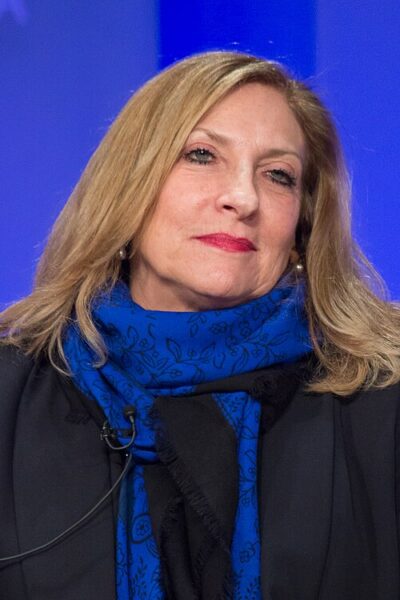
Lesli Linka Glatter
Lesli Linka Glatter is an American film director. Born July 26, 1953, in Dallas. Known for Twin Peaks and Homeland. Educated at Greenhill School. Awards include Directors Guild of America Award and Dorothy Arzner Directors Award.
Facts
13 facts · 1 confirmed by two sources · 2 cited · 10 from one source
Where this comes from
Papalocal keeps its own record. It started from these sources; what each one said is kept here as it was copied, so a change on their side never changes this page by itself. Tap one to read its version.
What Wikidata says · copied November 16, 2026 · revision 2551124295
- Described as
- American film director
- Born
- July 26, 1953 · 1 reference
- Born in
- Dallas
- Citizen of
- United States
- Occupation
- film director; actor; television director; executive producer; director · 1 reference
- Education
- Greenhill School · 1 reference
- Known for
- Twin Peaks · 1 reference; Homeland
- Awards
- Directors Guild of America Award; Dorothy Arzner Directors Award (2016) · 1 reference
- Wikipedias with a page
- 21
Wikidata item Q460765 (wikidata.org/wiki/Q460765), public domain (CC0). Copied November 16, 2026.
What Wikipedia says · copied November 16, 2026 · revision 1372542275
Lesli Linka Glatter (born July 26, 1953) is an American film and television director. She is best known for her work on the AMC drama series Mad Men and the Showtime series Homeland. For her work in these two shows, she has received eight Primetime Emmy Award nominations and seven Directors Guild of America Awards nominations, winning the latter three times. She has also received a nomination for the Academy Award for Best Live Action Short Film for short film Tales of Meeting and Parting (1985).
- Born, in its opening lines
- July 26, 1953
From the Wikipedia article “Lesli Linka Glatter” (en.wikipedia.org/wiki/Lesli_Linka_Glatter), by its contributors, under CC BY-SA 4.0 (creativecommons.org/licenses/by-sa/4.0/). Copied November 16, 2026; not changed.
Confirmed Two sources agree. Cited One source, and it names where it got it. One source One source, without a reference of its own. Sources disagree The sources disagree. We show the best-supported value and keep theirs below.
