
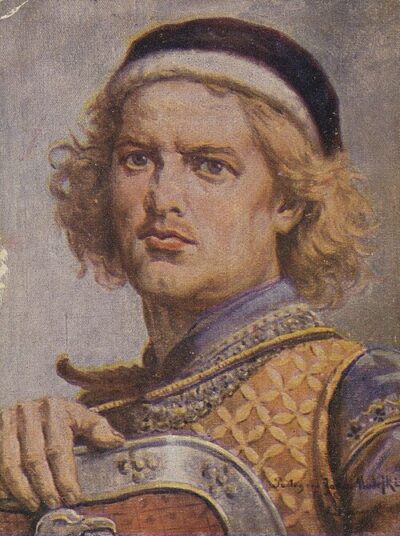
Leszek I the White
Leszek I the White was a High Duke of Poland. Born 1186. Died November 24, 1227, in Marcinkowo Górne. Positions held include Duke of Masovia (1194–1200).
Facts
13 facts · 0 confirmed by two sources · 5 cited · 8 from one source
Where this comes from
Papalocal keeps its own record. It started from these sources; what each one said is kept here as it was copied, so a change on their side never changes this page by itself. Tap one to read its version.
What Wikidata says · copied November 16, 2026 · revision 2569154364
- Described as
- High Duke of Poland (1186-1227)
- Other names
- Leszek I, Duke of Cracow
- Born
- 1186 · 3 references
- Died
- November 24, 1227
- Died in
- Marcinkowo Górne · 1 reference
- Buried in
- Kraków
- Occupation
- politician · 1 reference
- Positions held
- Duke of Masovia (1194–1200)
- Spouse
- Grzymislawa of Luck (1207–) · 1 reference
- Children
- Salomea of Poland · 1 reference; Bolesław V the Chaste · 1 reference
- Father
- Casimir II the Just · 2 references
- Mother
- Helen of Znojmo · 2 references
- Siblings
- Konrad I of Masovia; Adelaide of Poland
- Wikipedias with a page
- 31
Wikidata item Q53991 (wikidata.org/wiki/Q53991), public domain (CC0). Copied November 16, 2026.
What Wikipedia says · copied November 16, 2026 · revision 1384568015
Leszek I the White (Polish: Leszek Biały; c. 1184/1185 – 24 November 1227) was Prince of Sandomierz and High Duke of Poland in the years 1194–1198, 1199, 1206–1210, and 1211–1227. During the early stages of his reign, his uncle Duke Mieszko III the Old and cousin Władysław III Spindleshanks, from the Greater Polish branch of the royal Piast dynasty, contested Leszek's right to be High Duke.
Leszek was the third or fourth, but eldest surviving son of Casimir II the Just and his wife Helen of Znojmo.
From the Wikipedia article “Leszek I the White” (en.wikipedia.org/wiki/Leszek_I_the_White), by its contributors, under CC BY-SA 4.0 (creativecommons.org/licenses/by-sa/4.0/). Copied November 16, 2026; not changed.
Confirmed Two sources agree. Cited One source, and it names where it got it. One source One source, without a reference of its own. Sources disagree The sources disagree. We show the best-supported value and keep theirs below.
