
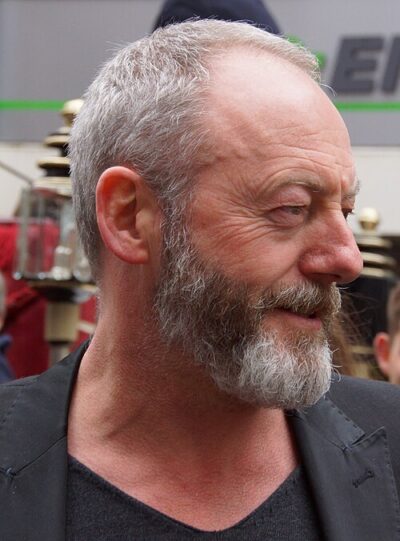
Liam Cunningham is an Irish actor. Born June 2, 1961, in East Wall.
Facts
9 facts · 1 confirmed by two sources · 2 cited · 6 from one source
Where this comes from
Papalocal keeps its own record. It started from these sources; what each one said is kept here as it was copied, so a change on their side never changes this page by itself. Tap one to read its version.
What Wikidata says · copied November 16, 2026 · revision 2560229623
- Described as
- Irish actor
- Born
- June 2, 1961
- Born in
- East Wall
- Citizen of
- Ireland
- Occupation
- actor · 3 references; film director; film producer; stage actor; film actor · 1 reference; television actor
- Wikipedias with a page
- 42
Wikidata item Q460572 (wikidata.org/wiki/Q460572), public domain (CC0). Copied November 16, 2026.
What Wikipedia says · copied November 16, 2026 · revision 1385344857
Liam Cunningham (born 2 June 1961) is an Irish actor. He is known for playing Davos Seaworth in the HBO epic-fantasy series Game of Thrones.
Cunningham has been nominated for the London Film Critics' Circle Award, the British Independent Film Award, has won two Irish Film & Television Awards, and shared a BAFTA with Michael Fassbender, for their crime-drama short film Pitch Black Heist. His film roles include War of the Buttons (1994), A Little Princess (1995), Jude (1996), Dog Soldiers (2002), The Crooked Man (2003), The Wind That Shakes the Barley (2006), Hunger (2008), The Escapist (2008), The Mummy: Tomb of the Dragon Emperor (2008), Good Vibrations (2013), Let Us Prey (2014) and The Childhood of a Leader (2015). In 2020, he was listed at number 36 on The Irish Times list of Ireland's greatest film actors.
- Born, in its opening lines
- June 2, 1961
From the Wikipedia article “Liam Cunningham” (en.wikipedia.org/wiki/Liam_Cunningham), by its contributors, under CC BY-SA 4.0 (creativecommons.org/licenses/by-sa/4.0/). Copied November 16, 2026; not changed.
Confirmed Two sources agree. Cited One source, and it names where it got it. One source One source, without a reference of its own. Sources disagree The sources disagree. We show the best-supported value and keep theirs below.
