
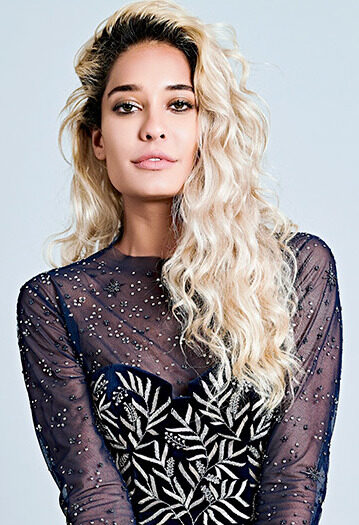
Lisa Haydon is an Indian model and film actress. Born June 17, 1986, in Chennai.
Facts
8 facts · 1 confirmed by two sources · 1 cited · 6 from one source
Where this comes from
Papalocal keeps its own record. It started from these sources; what each one said is kept here as it was copied, so a change on their side never changes this page by itself. Tap one to read its version.
What Wikidata says · copied November 16, 2026 · revision 2569783020
- Described as
- Indian model and film actress
- Other names
- Elisabeth Marie Haydon
- Born
- June 17, 1986
- Born in
- Chennai
- Citizen of
- India
- Occupation
- actor; model; television presenter
- Spouse
- Dino Lalvani · 1 reference
- Siblings
- Malika Haydon
- Wikipedias with a page
- 31
Wikidata item Q6558075 (wikidata.org/wiki/Q6558075), public domain (CC0). Copied November 16, 2026.
What Wikipedia says · copied November 16, 2026 · revision 1354937475
Elisabeth Marie Haydon, better known as Lisa Haydon Lalvani (born 17 June 1986), is an Indian-Australian actress, TV presenter and model, who mainly appears in Hindi films. Haydon made her acting debut with the ensemble romantic comedy-drama Aisha (2010) and received critical praise for her performance in the comedy-drama Queen, which fetched her wide recognition and a Best Supporting Actress nomination at Filmfare, among other accolades. Haydon later starred in the commercially successful comedy Housefull 3 (2016) and had a brief role in the Karan Johar-directed musical romantic drama Ae Dil Hai Mushkil (2016).
She is a model in India and internationally. She appears on several popular Magazine covers such as Harper's Bazaar, Grazia (India), Cosmopolitan, Elle (India), Verve, Vogue India, Femina (India), FHM, Hello!, and L'Officiel.
- Born, in its opening lines
- June 17, 1986
From the Wikipedia article “Lisa Haydon” (en.wikipedia.org/wiki/Lisa_Haydon), by its contributors, under CC BY-SA 4.0 (creativecommons.org/licenses/by-sa/4.0/). Copied November 16, 2026; not changed.
Confirmed Two sources agree. Cited One source, and it names where it got it. One source One source, without a reference of its own. Sources disagree The sources disagree. We show the best-supported value and keep theirs below.
