
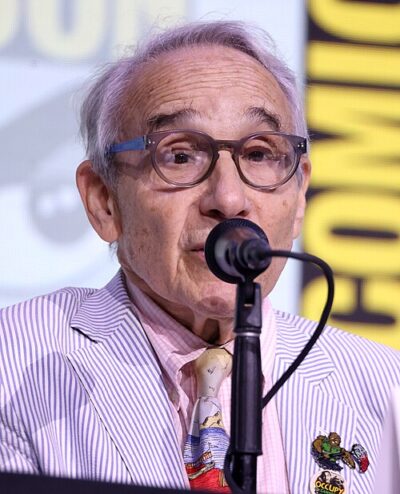
Lloyd Kaufman
Lloyd Kaufman is an American film director. Born December 30, 1945, in New York City. Educated at Yale University and Trinity School. Awards include Time Machine Award.
Facts
19 facts · 1 confirmed by two sources · 2 cited · 16 from one source
Where this comes from
Papalocal keeps its own record. It started from these sources; what each one said is kept here as it was copied, so a change on their side never changes this page by itself. Tap one to read its version.
What Wikidata says · copied November 16, 2026 · revision 2560452444
- Described as
- American film director
- Other names
- Stanley Lloyd Kaufman, Jr.
- Born
- December 30, 1945 · 2 references
- Born in
- New York City
- Citizen of
- United States
- Occupation
- actor; film director; screenwriter; film producer · 1 reference; composer; film editor; cinematographer; director · 1 reference
- Education
- Yale University; Trinity School · 1 reference; Ezra Stiles College
- Awards
- Time Machine Award (2008)
- Spouse
- Pat Swinney Kaufman (1974–)
- Children
- Charlotte Kaufman
- Siblings
- Charles Kaufman
- Website
- http://www.lloydkaufman.com
- Wikipedias with a page
- 24
Wikidata item Q183347 (wikidata.org/wiki/Q183347), public domain (CC0). Copied November 16, 2026.
What Wikipedia says · copied November 16, 2026 · revision 1384761142
Stanley Lloyd Kaufman Jr. (born December 30, 1945) is an American film director, screenwriter, producer and actor. Alongside producer Michael Herz, he is the co-founder of Troma Entertainment film studio, and the director of many of their feature films, such as The Toxic Avenger (1984) and Tromeo and Juliet (1996). Many of the strategies employed by him at Troma have been credited with making the film industry significantly more accessible and decentralized.
- Born, in its opening lines
- December 30, 1945
From the Wikipedia article “Lloyd Kaufman” (en.wikipedia.org/wiki/Lloyd_Kaufman), by its contributors, under CC BY-SA 4.0 (creativecommons.org/licenses/by-sa/4.0/). Copied November 16, 2026; not changed.
Confirmed Two sources agree. Cited One source, and it names where it got it. One source One source, without a reference of its own. Sources disagree The sources disagree. We show the best-supported value and keep theirs below.
