
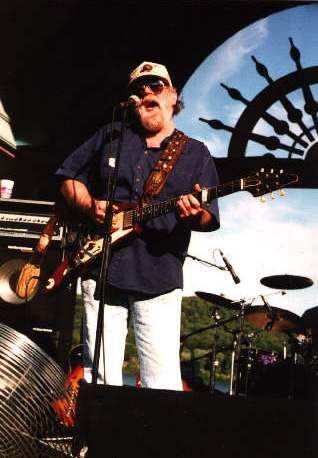
Lonnie Mack
Lonnie Mack was an American musician. Born July 18, 1941, in West Harrison. Died April 21, 2016, in Nashville.
Facts
23 facts · 2 confirmed by two sources · 2 cited · 19 from one source
Where this comes from
Papalocal keeps its own record. It started from these sources; what each one said is kept here as it was copied, so a change on their side never changes this page by itself. Tap one to read its version.
What Wikidata says · copied November 18, 2026 · revision 2563857214
- Described as
- American musician (1941–2016)
- Other names
- Lonnie McIntosh
- Born
- July 18, 1941 · 2 references
- Died
- April 21, 2016 · 3 references
- Born in
- West Harrison
- Died in
- Nashville
- Buried in
- River View Cemetery · 1 reference
- Citizen of
- United States
- Occupation
- musician · 1 reference; songwriter; singer; guitarist
- Genre
- blues rock; gospel music; rockabilly; bluegrass music; country music; blue-eyed soul
- Instrument
- bass guitar; guitar; voice
- Record label
- Alligator Records; Elektra; Fraternity Records
- Website
- http://www.lonniemack.com/
- Wikipedias with a page
- 18
Wikidata item Q1869643 (wikidata.org/wiki/Q1869643), public domain (CC0). Copied November 18, 2026.
What Wikipedia says · copied November 18, 2026 · revision 1386475684
Lonnie McIntosh (July 18, 1941 – April 21, 2016), known as Lonnie Mack, was an American singer-songwriter and guitarist. He was an early influence in the development of blues rock music, Southern rock music, and rock guitar soloing.
Mack emerged in 1963 with his breakthrough LP, The Wham of that Memphis Man. It earned him lasting renown as both a blue-eyed soul singer and a lead guitar innovator. The album's instrumental tracks included two hit singles, "Memphis" and "Wham". In them, Mack, using "top-quality technique" and "pristine" phrasing, added "edgy, aggressive, loud, and fast" melodies and runs to the predominant chords-and-riffs pattern of early rock guitar. Mack's early instrumentals raised the bar for rock guitar proficiency, helped launch the electric guitar to the top of soloing instruments in rock, and served as prototypes for the lead guitar styles of blues rock and Southern rock.
Shortly after the album's release, however, the British Invasion hit American shores, and Mack's recording career "withered on the vine". He regularly toured small venues until 1968, when Rolling Stone magazine rediscovered him, and Elektra Records signed him to a three-album contract. He was soon performing in major venues, but his multi-genre Elektra albums downplayed his lead guitar and blues rock appeal and record sales were modest. He became increasingly unhappy with the music business during this period and finally left Elektra in 1971. Over the next fourteen years, he functioned as a low-profile multi-genre recording artist, roadhouse performer, sideman, and music-venue proprietor.
In 1985, Mack resurfaced with a successful blues rock LP, Strike Like Lightning, a promotional tour featuring celebrity guitarist sit-ins, and a Carnegie Hall concert with Roy Buchanan and Albert Collins. In 1986, he headlined the Great
American Guitar Assault Tour with Buchanan and Dickey Betts. In 1990, he released another well-received blues rock album, Lonnie Mack Live! Attack of the Killer V, then retired from recording. He continued to perform, mostly in small venues, until 2004.
- Born, in its opening lines
- July 18, 1941
- Died, in its opening lines
- April 21, 2016
From the Wikipedia article “Lonnie Mack” (en.wikipedia.org/wiki/Lonnie_Mack), by its contributors, under CC BY-SA 4.0 (creativecommons.org/licenses/by-sa/4.0/). Copied November 18, 2026; not changed.
Confirmed Two sources agree. Cited One source, and it names where it got it. One source One source, without a reference of its own. Sources disagree The sources disagree. We show the best-supported value and keep theirs below.
