
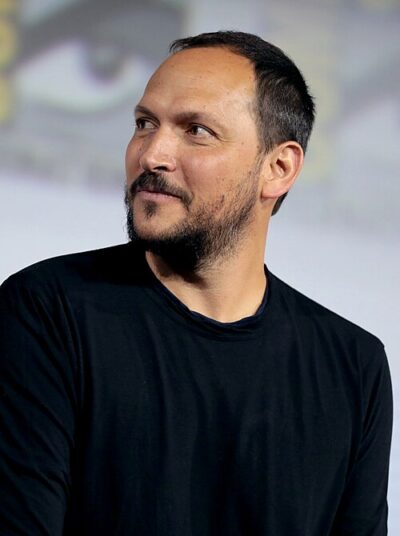
Louis Leterrier
Louis Leterrier is a French film director. Born June 17, 1973, in 8th arrondissement of Paris. Educated at New York University Tisch School of the Arts. Awards include Chevalier des Arts et des Lettres.
Facts
13 facts · 1 confirmed by two sources · 3 cited · 9 from one source
Where this comes from
Papalocal keeps its own record. It started from these sources; what each one said is kept here as it was copied, so a change on their side never changes this page by itself. Tap one to read its version.
What Wikidata says · copied November 16, 2026 · revision 2547788035
- Described as
- French film director
- Born
- June 17, 1973 · 4 references
- Born in
- 8th arrondissement of Paris · 1 reference
- Name at birth
- Louis Antoine Robert André Leterrier · 1 reference
- Citizen of
- France
- Occupation
- actor; film director; film producer; screenwriter · 1 reference; director · 1 reference
- Education
- New York University Tisch School of the Arts
- Awards
- Chevalier des Arts et des Lettres (2021) · 1 reference
- Father
- François Leterrier
- Mother
- Catherine Leterrier
- Wikipedias with a page
- 34
Wikidata item Q525332 (wikidata.org/wiki/Q525332), public domain (CC0). Copied November 16, 2026.
What Wikipedia says · copied November 16, 2026 · revision 1372461174
Louis Leterrier (French: [lwi lətɛʁje]; born 17 June 1973) is a French film and television director. Best known for his work in action films, he directed the first two Transporter films (2002–2005), The Incredible Hulk (2008), Clash of the Titans (2010), Now You See Me (2013), and the tenth and eleventh Fast & Furious installments, Fast X (2023) and the upcoming Fast Forever (2028). He also directed the streaming television series The Dark Crystal: Age of Resistance (2019) and Lupin (2021).
- Born, in its opening lines
- June 17, 1973
From the Wikipedia article “Louis Leterrier” (en.wikipedia.org/wiki/Louis_Leterrier), by its contributors, under CC BY-SA 4.0 (creativecommons.org/licenses/by-sa/4.0/). Copied November 16, 2026; not changed.
Confirmed Two sources agree. Cited One source, and it names where it got it. One source One source, without a reference of its own. Sources disagree The sources disagree. We show the best-supported value and keep theirs below.
