
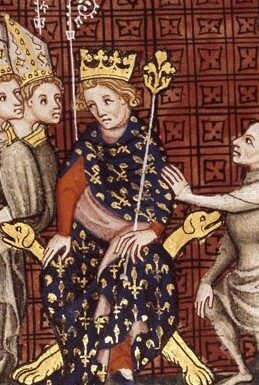
Louis the German
Louis the German was a King of East Francia from 843 to 876. Born 806. Died August 28, 876, in Frankfurt. Positions held include King of East Francia (843–876).
Facts
28 facts · 0 confirmed by two sources · 23 cited · 5 from one source
Where this comes from
Papalocal keeps its own record. It started from these sources; what each one said is kept here as it was copied, so a change on their side never changes this page by itself. Tap one to read its version.
What Wikidata says · copied November 16, 2026 · revision 2563999121
- Described as
- King of East Francia from 843 to 876
- Other names
- Ludwig II., Ludwig II König von Germanien, Ludwig II, Louis II the German, Louis le Germanique
- Born
- 806 · 2 references
- Died
- August 28, 876 · 2 references
- Died in
- Frankfurt · 3 references
- Buried in
- Abbey and Altenmünster of Lorsch
- Citizen of
- Carolingian Empire
- Occupation
- monarch · 1 reference
- Positions held
- King of East Francia (843–876)
- Spouse
- Hemma (827–) · 1 reference
- Children
- Carloman of Bavaria · 2 references; Irmgard of Chiemsee · 1 reference; Louis III the Younger · 1 reference; Charles the Fat · 1 reference; Bertha · 1 reference; Hildegard · 1 reference; Gisela · 1 reference; Verona of Leefdaal · 1 reference; Veronus of Lembeek · 1 reference
- Father
- Louis the Pious · 1 reference
- Mother
- Ermengarde of Hesbaye · 1 reference
- Siblings
- Lothair I · 1 reference; Pepin I of Aquitaine · 1 reference; Charles the Bald · 1 reference; Arnulf of Sens · 1 reference; Gisela · 2 references; Rotrude · 1 reference; Bertha · 1 reference; Hildegard, princess of Francia · 1 reference; Alpaïs of Paris
- Wikipedias with a page
- 61
Wikidata item Q152463 (wikidata.org/wiki/Q152463), public domain (CC0). Copied November 16, 2026.
What Wikipedia says · copied November 16, 2026 · revision 1380630288
Louis the German (German: Ludwig der Deutsche; c. 806/810 – 28 August 876), also known as Louis II of Germany (German: Ludwig II. von Deutschland), was the first king of East Francia, and ruled from 843 to 876 AD. Grandson of emperor Charlemagne and the third son of Louis the Pious, emperor of Francia, and his first wife, Ermengarde of Hesbaye, he received the appellation Germanicus shortly after his death, when East Francia became known as the kingdom of Germany. He was also briefly king of West Francia from 858 to 859 for a few months in opposition to his brother Charles the Bald.
After protracted clashes with his father and his brothers, Louis received the East Frankish kingdom in the Treaty of Verdun (843). His attempts to conquer his half-brother Charles the Bald's West Frankish kingdom in 858–59 were unsuccessful. The 860s were marked by a severe crisis, with the East Frankish rebellions of the sons, as well as struggles to maintain supremacy over his realm. In the Treaty of Meerssen he acquired Lotharingia for the East Frankish kingdom in 870. On the other hand, he tried and failed to claim both the title of Emperor and Italy. In the East, Louis was able to reach a longer-term peace agreement in 874 after decades of conflict with the Moravians. His rule shows a marked decline in creation of written administration and government documents, a trend that would continue into Ottonian times.
From the Wikipedia article “Louis the German” (en.wikipedia.org/wiki/Louis_the_German), by its contributors, under CC BY-SA 4.0 (creativecommons.org/licenses/by-sa/4.0/). Copied November 16, 2026; not changed.
Confirmed Two sources agree. Cited One source, and it names where it got it. One source One source, without a reference of its own. Sources disagree The sources disagree. We show the best-supported value and keep theirs below.
