
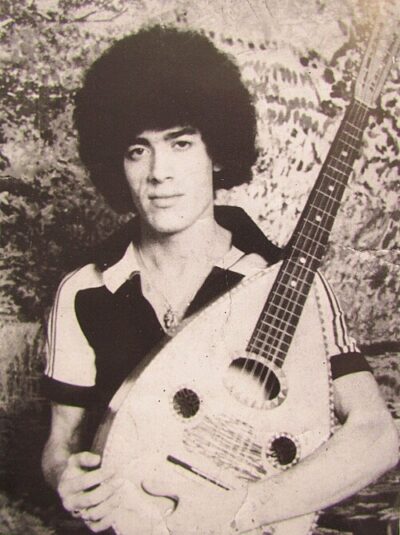
Lounès Matoub
Lounès Matoub was an Algerian musician. Born January 24, 1956, in Aït Mahmoud. Died June 25, 1998, in Aït Aïssi.
Facts
15 facts · 2 confirmed by two sources · 0 cited · 13 from one source
Where this comes from
Papalocal keeps its own record. It started from these sources; what each one said is kept here as it was copied, so a change on their side never changes this page by itself. Tap one to read its version.
What Wikidata says · copied November 18, 2026 · revision 2566842642
- Described as
- Algerian musician (1956–1998)
- Other names
- Lounes Matoub
- Born
- January 24, 1956 · 1 reference
- Died
- June 25, 1998 · 4 references
- Born in
- Aït Mahmoud
- Died in
- Aït Aïssi
- Cause of death
- gunshot wound
- Citizen of
- Algeria
- Occupation
- singer-songwriter; singer; poet
- Instrument
- darbuka; guitar; voice
- Spouse
- Nadia Matoub
- Website
- http://matoub.rebelle.free.fr/; https://dzmusik.com/artist/1109/lounes-matoub
- Wikipedias with a page
- 23
Wikidata item Q524362 (wikidata.org/wiki/Q524362), public domain (CC0). Copied November 18, 2026.
What Wikipedia says · copied November 18, 2026 · revision 1385700210
Lounès Matoub (Kabyle: Maɛtub Lwennas; 24 January 1956 – 25 June 1998) was an Algerian Kabyle singer, poet, and thinker who sparked an intellectual revolution, and mandole player who was an advocate of the Amazigh cause, human rights, and secularism in Algeria throughout his life.
Matoub was shunned and criticized by many Algerian Arabs for his secular, atheist politics, his militant advocacy of Berber rights and blasphemous rock songs, making him unpopular among both warring parties during the Algerian Civil War. His assassination, claimed by the Armed Islamic Group (GIA), in unclear circumstances, provoked violent riots in Kabylia.
- Born, in its opening lines
- January 24, 1956
- Died, in its opening lines
- June 25, 1998
From the Wikipedia article “Lounès Matoub” (en.wikipedia.org/wiki/Lounès_Matoub), by its contributors, under CC BY-SA 4.0 (creativecommons.org/licenses/by-sa/4.0/). Copied November 18, 2026; not changed.
Confirmed Two sources agree. Cited One source, and it names where it got it. One source One source, without a reference of its own. Sources disagree The sources disagree. We show the best-supported value and keep theirs below.
