
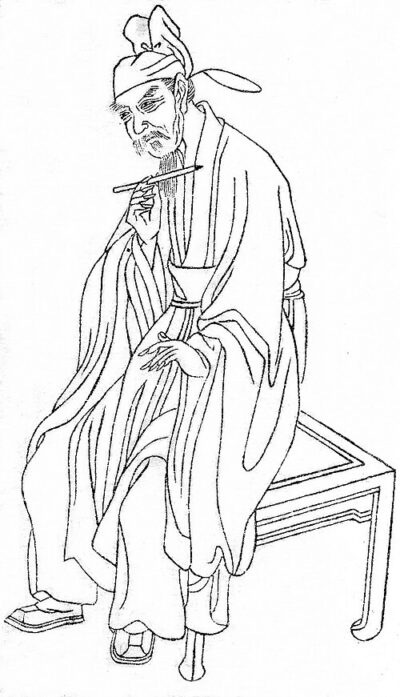
Lu Jiuyuan
Lu Jiuyuan was a Chinese scholar. Born March 26, 1139, in Jinxi County. Died January 10, 1193.
Facts
10 facts · 1 confirmed by two sources · 6 cited · 2 from one source · 1 where the sources disagree
What’s different
- Died: we show January 10, 1193 (Sources disagree). Wikipedia says 1192
Where this comes from
Papalocal keeps its own record. It started from these sources; what each one said is kept here as it was copied, so a change on their side never changes this page by itself. Tap one to read its version.
What Wikidata says · copied November 18, 2026 · revision 2563083407
- Described as
- Chinese scholar (1139-1192)
- Other names
- Xiangshan xiansheng, Wen'an, Xiangshanweng, Zijing, Lu Xiangshan, Lu Xiansheng, Yu Gu-yeon, Yukguyeon
- Born
- March 26, 1139
- Died
- January 10, 1193 · 1 reference
- Born in
- Jinxi County
- Citizen of
- Song dynasty · 1 reference
- Occupation
- philosopher · 1 reference
- Field
- Chinese philosophy · 1 reference; Neo-Confucianism · 1 reference
- Children
- Lu Chizhi · 1 reference
- Father
- Lu He · 1 reference
- Religion
- Confucianism
- Wikipedias with a page
- 20
Wikidata item Q2466384 (wikidata.org/wiki/Q2466384), public domain (CC0). Copied November 18, 2026.
What Wikipedia says · copied November 18, 2026 · revision 1341850620
Lu Jiuyuan (Chinese: 陸九淵; pinyin: Lù Jiǔyuān; 1139–1192), or Lu Xiangshan (陸象山; Lù Xiàngshān), was a Chinese philosopher and writer who founded the school of the universal mind, the second most influential Neo-Confucian school. He was a contemporary and the main rival of Zhu Xi.
In East Asia and the Western World, he is known by his honorific name rather than his private name.
- Born, in its opening lines
- 1139
- Died, in its opening lines
- 1192
From the Wikipedia article “Lu Jiuyuan” (en.wikipedia.org/wiki/Lu_Jiuyuan), by its contributors, under CC BY-SA 4.0 (creativecommons.org/licenses/by-sa/4.0/). Copied November 18, 2026; not changed.
Confirmed Two sources agree. Cited One source, and it names where it got it. One source One source, without a reference of its own. Sources disagree The sources disagree. We show the best-supported value and keep theirs below.
