
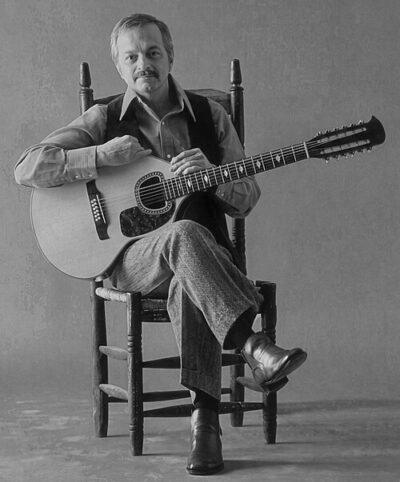
Luiz Bonfá
Luiz Bonfá was a Brazilian musician. Born October 17, 1922, in Rio de Janeiro. Died January 12, 2001, in Rio de Janeiro.
Facts
28 facts · 2 confirmed by two sources · 9 cited · 17 from one source
Where this comes from
Papalocal keeps its own record. It started from these sources; what each one said is kept here as it was copied, so a change on their side never changes this page by itself. Tap one to read its version.
What Wikidata says · copied November 18, 2026 · revision 2563862799
- Described as
- Brazilian musician (1922–2001)
- Other names
- Luiz Bonfa, Luiz Floriano Bonfá
- Born
- October 17, 1922 · 7 references
- Died
- January 12, 2001 · 7 references
- Born in
- Rio de Janeiro · 3 references
- Died in
- Rio de Janeiro · 3 references
- Cause of death
- prostate cancer
- Name at birth
- Luiz Floriano Bonfá
- Citizen of
- Brazil · 2 references
- Occupation
- composer · 2 references; singer; guitarist · 1 reference; jazz musician; jazz guitarist; film actor · 1 reference; musician · 1 reference; guitar · 1 reference
- Genre
- bossa nova · 1 reference; jazz; samba-canção
- Instrument
- guitar; voice
- Record label
- Verve Records; Dot Records; Philips Records; RCA Records; Odeon; Fontana Records
- Field
- music · 1 reference
- Spouse
- Maria Toledo
- Wikipedias with a page
- 20
Wikidata item Q932925 (wikidata.org/wiki/Q932925), public domain (CC0). Copied November 18, 2026.
What Wikipedia says · copied November 18, 2026 · revision 1383569758
Luiz Floriano Bonfá (17 October 1922 – 12 January 2001) was a Brazilian guitarist and composer. He was best known for the music he composed for the film Black Orpheus.
- Born, in its opening lines
- October 17, 1922
- Died, in its opening lines
- January 12, 2001
From the Wikipedia article “Luiz Bonfá” (en.wikipedia.org/wiki/Luiz_Bonfá), by its contributors, under CC BY-SA 4.0 (creativecommons.org/licenses/by-sa/4.0/). Copied November 18, 2026; not changed.
Confirmed Two sources agree. Cited One source, and it names where it got it. One source One source, without a reference of its own. Sources disagree The sources disagree. We show the best-supported value and keep theirs below.
