
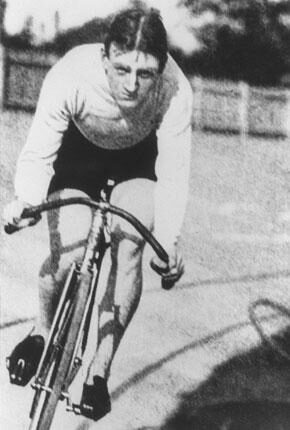
Marcus Hurley
Marcus Hurley was an American racing cyclist. Born December 22, 1883, in New Rochelle. Died March 28, 1941, in New York City. Teams include Columbia Lions men's basketball. Educated at Columbia University. Awards include United States Bicycling Hall of Fame.
Facts
12 facts · 2 confirmed by two sources · 0 cited · 10 from one source
Where this comes from
Papalocal keeps its own record. It started from these sources; what each one said is kept here as it was copied, so a change on their side never changes this page by itself. Tap one to read its version.
What Wikidata says · copied November 16, 2026 · revision 2513708918
- Described as
- American racing cyclist (1883–1941)
- Other names
- Marcus Latimer Hurley
- Born
- December 22, 1883
- Died
- March 28, 1941
- Born in
- New Rochelle
- Died in
- New York City
- Citizen of
- United States
- Occupation
- basketball player; sport cyclist
- Education
- Columbia University · 1 reference
- Teams
- Columbia Lions men's basketball · 1 reference
- Sport
- track cycling
- Awards
- United States Bicycling Hall of Fame
- Height
- 1.81 m (5 ft 11 in)
- Wikipedias with a page
- 21
Wikidata item Q940285 (wikidata.org/wiki/Q940285), public domain (CC0). Copied November 16, 2026.
What Wikipedia says · copied November 16, 2026 · revision 1367424265
Marcus Latimer Hurley (December 22, 1883 – March 28, 1941) was an American cyclist who competed in the early twentieth century. He specialized in sprint cycling and won 4 gold medals in Cycling at the 1904 Summer Olympics and a bronze medal in the 2 mile race.
- Born, in its opening lines
- December 22, 1883
- Died, in its opening lines
- March 28, 1941
From the Wikipedia article “Marcus Hurley” (en.wikipedia.org/wiki/Marcus_Hurley), by its contributors, under CC BY-SA 4.0 (creativecommons.org/licenses/by-sa/4.0/). Copied November 16, 2026; not changed.
Confirmed Two sources agree. Cited One source, and it names where it got it. One source One source, without a reference of its own. Sources disagree The sources disagree. We show the best-supported value and keep theirs below.
