
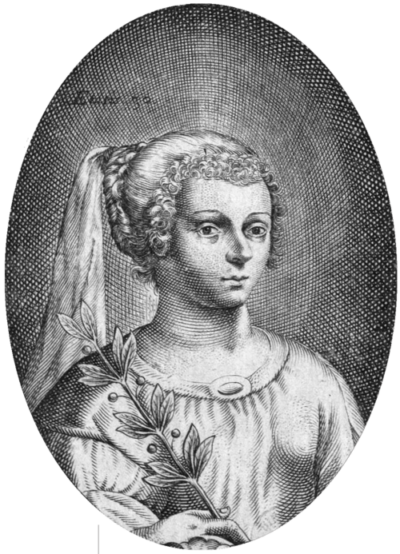
Marie de Gournay was a French writer. Born October 6, 1565, in Paris. Died July 13, 1645, in Paris.
Facts
14 facts · 2 confirmed by two sources · 4 cited · 8 from one source
Where this comes from
Papalocal keeps its own record. It started from these sources; what each one said is kept here as it was copied, so a change on their side never changes this page by itself. Tap one to read its version.
What Wikidata says · copied November 16, 2026 · revision 2568438514
- Described as
- French writer
- Other names
- Marie Le Jars de Gournay, Lady of Mary de Jars Gournay
- Born
- October 6, 1565 · 2 references
- Died
- July 13, 1645 · 2 references
- Born in
- Paris · 1 reference
- Died in
- Paris · 1 reference
- Buried in
- Church of Saint Eustache
- Citizen of
- France
- Occupation
- translator; philosopher; writer · 1 reference; alchemist; essayist; poet · 1 reference; author · 1 reference
- Field
- essay
- Wikipedias with a page
- 31
Wikidata item Q469087 (wikidata.org/wiki/Q469087), public domain (CC0). Copied November 16, 2026.
What Wikipedia says · copied November 16, 2026 · revision 1380622309
Marie de Gournay (French: [maʁi də ɡuʁnɛ] ; 6 October 1565 – 13 July 1645) was a French writer. Author of a novel and a number of other literary compositions, including The Equality of Men and Women (Égalité des hommes et des femmes, 1622) and The Ladies' Grievance (Grief des dames, 1626), she insisted that women should be educated. Gournay was also an editor and commentator of Michel de Montaigne. After Montaigne's death, Gournay edited and published his Essays.
- Born, in its opening lines
- October 6, 1565
- Died, in its opening lines
- July 13, 1645
From the Wikipedia article “Marie de Gournay” (en.wikipedia.org/wiki/Marie_de_Gournay), by its contributors, under CC BY-SA 4.0 (creativecommons.org/licenses/by-sa/4.0/). Copied November 16, 2026; not changed.
Confirmed Two sources agree. Cited One source, and it names where it got it. One source One source, without a reference of its own. Sources disagree The sources disagree. We show the best-supported value and keep theirs below.
