
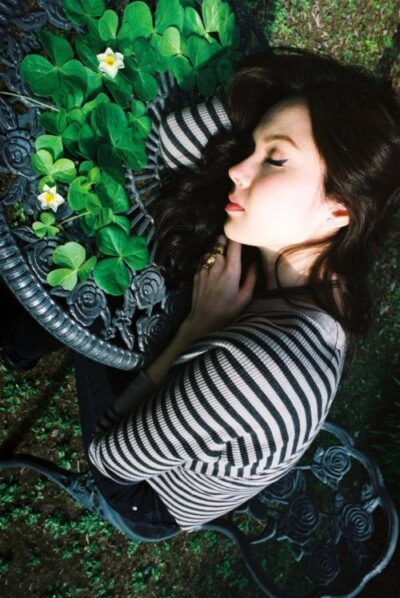
Marié Digby
Marié Digby is an American musician. Born April 16, 1983, in New York City. Educated at University of California, Berkeley.
Facts
21 facts · 1 confirmed by two sources · 0 cited · 20 from one source
Where this comes from
Papalocal keeps its own record. It started from these sources; what each one said is kept here as it was copied, so a change on their side never changes this page by itself. Tap one to read its version.
What Wikidata says · copied November 16, 2026 · revision 2561235523
- Described as
- American musician
- Other names
- Marie Digby
- Born
- April 16, 1983 · 2 references
- Born in
- New York City
- Citizen of
- United States
- Occupation
- singer-songwriter; singer; guitarist; composer; pianist; YouTuber · 1 reference; television producer · 1 reference; recording artist
- Education
- University of California, Berkeley
- Genre
- pop rock
- Instrument
- guitar; upright piano; voice
- Record label
- Hollywood Records; Avex Trax; Star Music
- Field
- music composing
- Website
- http://www.myspace.com/mariedigby
- Wikipedias with a page
- 21
Wikidata item Q236762 (wikidata.org/wiki/Q236762), public domain (CC0). Copied November 16, 2026.
What Wikipedia says · copied November 16, 2026 · revision 1376333974
Marié Christina Digby ( MAR-ee-AY; born April 16, 1983) is an American singer-songwriter best known for her acoustic cover version of Rihanna's "Umbrella", which was featured on the MTV show The Hills and peaked at #10 on the Bubbling Under Hot 100 Singles chart.
Her debut album, Unfold, was released on April 8, 2008. Digby has since released several studio albums, EPs and singles, including one Japanese cover album.
- Born, in its opening lines
- April 16, 1983
From the Wikipedia article “Marié Digby” (en.wikipedia.org/wiki/Marié_Digby), by its contributors, under CC BY-SA 4.0 (creativecommons.org/licenses/by-sa/4.0/). Copied November 16, 2026; not changed.
Confirmed Two sources agree. Cited One source, and it names where it got it. One source One source, without a reference of its own. Sources disagree The sources disagree. We show the best-supported value and keep theirs below.
