
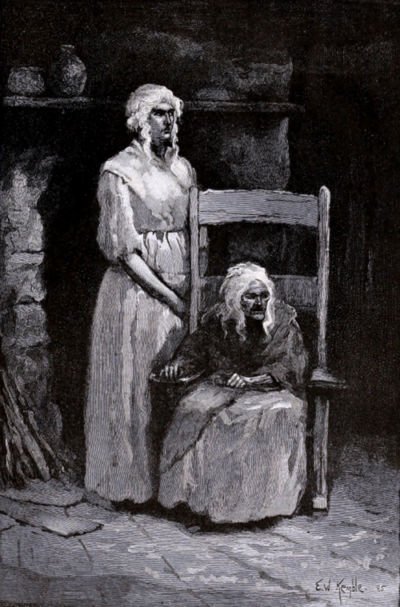
Marie Laveau
Marie Laveau was an American Voodoo practitioner. Born September 10, 1801, in New Orleans. Died June 15, 1881, in New Orleans.
Facts
13 facts · 2 confirmed by two sources · 4 cited · 7 from one source
Where this comes from
Papalocal keeps its own record. It started from these sources; what each one said is kept here as it was copied, so a change on their side never changes this page by itself. Tap one to read its version.
What Wikidata says · copied November 16, 2026 · revision 2559712535
- Described as
- American Voodoo practitioner
- Other names
- Marie Catherine Laveau, Marie Catherine Laveau Paris Glapion
- Born
- September 10, 1801 · 3 references
- Died
- June 15, 1881 · 2 references
- Born in
- New Orleans · 1 reference
- Died in
- New Orleans · 1 reference
- Buried in
- Saint Louis Cemetery No. 1 · 1 reference
- Citizen of
- United States
- Occupation
- occultist; hairdresser; religious leader
- Children
- Marie Euchariste Eloise Laveau Crocker
- Father
- Charles Trudeau · 1 reference
- Religion
- West African Vodun; folk Catholicism
- Wikipedias with a page
- 24
Wikidata item Q290249 (wikidata.org/wiki/Q290249), public domain (CC0). Copied November 16, 2026.
What Wikipedia says · copied November 16, 2026 · revision 1384752622
Marie Catherine Laveau (September 10, 1801 – June 15, 1881) was a Louisiana Creole practitioner of Voodoo, a herbalist, and a midwife who was renowned in New Orleans. Her daughter, Marie Laveau II (1827 – c. 1862), also practiced rootwork, conjure, and Native American and African spiritualism, as well as Louisiana Voodoo and traditional Roman Catholicism. An alternate spelling of her name, Laveaux, is considered by historians to be from the original French spelling.
- Born, in its opening lines
- September 10, 1801
- Died, in its opening lines
- June 15, 1881
From the Wikipedia article “Marie Laveau” (en.wikipedia.org/wiki/Marie_Laveau), by its contributors, under CC BY-SA 4.0 (creativecommons.org/licenses/by-sa/4.0/). Copied November 16, 2026; not changed.
Confirmed Two sources agree. Cited One source, and it names where it got it. One source One source, without a reference of its own. Sources disagree The sources disagree. We show the best-supported value and keep theirs below.
