
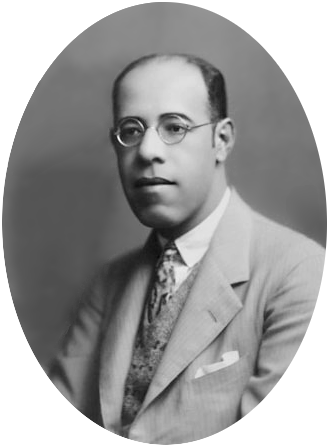
Mário de Andrade
Mário de Andrade was a Brazilian writer, musicologist and photographer. Born October 9, 1893, in São Paulo. Died February 25, 1945, in São Paulo. Known for Macunaíma. Awards include Legion of Honour, Prêmio Jabuti and Order of Cultural Merit (Brazil).
Facts
22 facts · 2 confirmed by two sources · 12 cited · 8 from one source
Where this comes from
Papalocal keeps its own record. It started from these sources; what each one said is kept here as it was copied, so a change on their side never changes this page by itself. Tap one to read its version.
What Wikidata says · copied November 16, 2026 · revision 2563173707
- Described as
- Brazilian writer, musicologist and photographer (1893–1945)
- Other names
- Mário Raul de Morais Andrade, Robert Philippe Laurent Andrade
- Born
- October 9, 1893 · 13 references
- Died
- February 25, 1945 · 12 references
- Born in
- São Paulo · 2 references
- Died in
- São Paulo · 2 references
- Buried in
- Consolação Cemetery · 1 reference
- Name at birth
- Mário Raul de Morais Andrade · 1 reference
- Citizen of
- Brazil · 1 reference
- Occupation
- poet · 1 reference; journalist · 1 reference; photographer; musicologist · 2 references; writer · 2 references; novelist; art critic · 1 reference; pianist
- Worked for
- Federal University of Rio de Janeiro
- Member of
- Academia Brasileira de Música · 1 reference
- Instrument
- piano
- Known for
- Macunaíma · 1 reference
- Awards
- Legion of Honour · 1 reference; Prêmio Jabuti (1979); Order of Cultural Merit (Brazil) (2006)
- Wikipedias with a page
- 41
Wikidata item Q203623 (wikidata.org/wiki/Q203623), public domain (CC0). Copied November 16, 2026.
What Wikipedia says · copied November 16, 2026 · revision 1380193366
Mário Raul de Morais Andrade (Portuguese pronunciation: [ˈmaɾiu ʁaˈu dʒi moˈɾajs ɐ̃ˈdɾadʒi]; October 9, 1893 – February 25, 1945) was a Brazilian poet, novelist, musicologist, art historian and critic, and photographer. He wrote one of the first and most influential collections of modern Brazilian poetry, Paulicéia Desvairada (Hallucinated City), published in 1922. He has had considerable influence on modern Brazilian literature, and as a scholar and essayist—he was a pioneer of the field of ethnomusicology—his influence has reached far beyond Brazil.
Andrade was a central figure in the avant-garde movement of São Paulo for twenty years. Trained as a musician and best known as a poet and novelist, Andrade was personally involved in virtually every discipline that was connected with São Paulo modernism. His photography and essays on a wide variety of subjects, from history to literature and music, were widely published. He was the driving force behind the Modern Art Week, the 1922 event that reshaped both literature and the visual arts in Brazil, and a member of the avant-garde "Group of Five". The ideas behind the Week were further explored in the preface to his poetry collection Pauliceia Desvairada, and in the poems themselves.
After working as a music professor and newspaper columnist, he published his great novel, Macunaíma, in 1928. Work on Brazilian folk music, poetry, and other concerns followed unevenly, often interrupted by Andrade's shifting relationship with the Brazilian government. At the end of his life, he became the founding director of São Paulo's Department of Culture, formalizing a role he had long held as a catalyst of the city's—and the nation's—entry into artistic modernity.
- Born, in its opening lines
- October 9, 1893
- Died, in its opening lines
- February 25, 1945
From the Wikipedia article “Mário de Andrade” (en.wikipedia.org/wiki/Mário_de_Andrade), by its contributors, under CC BY-SA 4.0 (creativecommons.org/licenses/by-sa/4.0/). Copied November 16, 2026; not changed.
Confirmed Two sources agree. Cited One source, and it names where it got it. One source One source, without a reference of its own. Sources disagree The sources disagree. We show the best-supported value and keep theirs below.
