
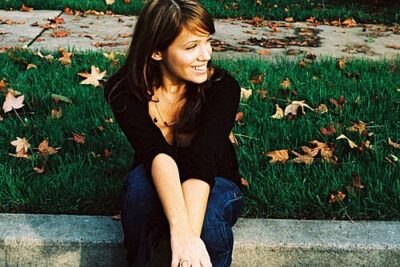
Marla Sokoloff
Marla Sokoloff is an American actress. Born December 19, 1980, in San Francisco. Educated at Los Angeles County High School for the Arts.
Facts
12 facts · 1 confirmed by two sources · 0 cited · 11 from one source
Where this comes from
Papalocal keeps its own record. It started from these sources; what each one said is kept here as it was copied, so a change on their side never changes this page by itself. Tap one to read its version.
What Wikidata says · copied November 16, 2026 · revision 2546600624
- Described as
- American actress
- Other names
- Marla Lynne Sokoloff
- Born
- December 19, 1980
- Born in
- San Francisco
- Citizen of
- United States
- Occupation
- actor; television actor; film actor; singer; film director · 1 reference
- Education
- Los Angeles County High School for the Arts · 1 reference
- Instrument
- voice
- Spouse
- Alec Puro (2009–)
- Religion
- Judaism
- Wikipedias with a page
- 24
Wikidata item Q255730 (wikidata.org/wiki/Q255730), public domain (CC0). Copied November 16, 2026.
What Wikipedia says · copied November 16, 2026 · revision 1369783284
Marla Sokoloff (SOCK-uh-loff; born December 19, 1980) is an American actress. She is known for playing Gia Mahan on Full House and Fuller House, Cokie Mason in The Babysitters Club movie, and Lucy Hatcher on the legal drama series The Practice. She also appeared as Joey's sister Dina on Friends and as the nanny Claire on Desperate Housewives. She has starred in the films True Crime (1996), The Climb (1999), Whatever It Takes (2000), Dude, Where's My Car? (2000), Sugar & Spice (2001), The Tollbooth (2004), Love on the Side (2006), Play the Game (2009), and The Merry Gentlemen (2024).
- Born, in its opening lines
- December 19, 1980
From the Wikipedia article “Marla Sokoloff” (en.wikipedia.org/wiki/Marla_Sokoloff), by its contributors, under CC BY-SA 4.0 (creativecommons.org/licenses/by-sa/4.0/). Copied November 16, 2026; not changed.
Confirmed Two sources agree. Cited One source, and it names where it got it. One source One source, without a reference of its own. Sources disagree The sources disagree. We show the best-supported value and keep theirs below.
