
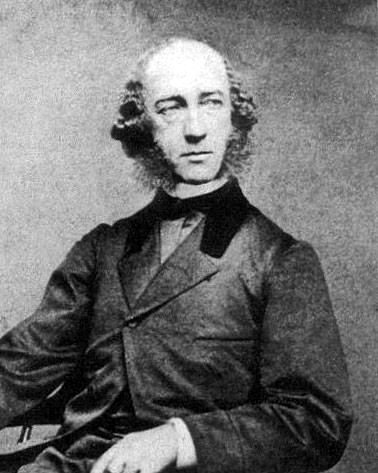
Martin Johnson Heade
Martin Johnson Heade was an American painter. Born August 11, 1819, in Lumberville. Died September 4, 1904, in St. Augustine. Known for Sunset, Haywagon in the Distance and Sunset: A Scene in Brazil. Awards include Florida Artists Hall of Fame.
Facts
16 facts · 2 confirmed by two sources · 2 cited · 12 from one source
Where this comes from
Papalocal keeps its own record. It started from these sources; what each one said is kept here as it was copied, so a change on their side never changes this page by itself. Tap one to read its version.
What Wikidata says · copied November 16, 2026 · revision 2567389717
- Described as
- American painter (1819-1904)
- Other names
- Martin J. Heade, Martin Johnson Heed, Heade, m.j. heade
- Born
- August 11, 1819 · 8 references
- Died
- September 4, 1904 · 8 references
- Born in
- Lumberville · 1 reference
- Died in
- St. Augustine · 1 reference
- Buried in
- The Evergreens Cemetery
- Citizen of
- United States
- Occupation
- painter · 4 references; traveler
- Genre
- marine art; landscape painting
- Known for
- Sunset, Haywagon in the Distance; Sunset: A Scene in Brazil
- Awards
- Florida Artists Hall of Fame
- Field
- painting · 1 reference
- Lived in
- New York; Brazil (1863–1864)
- Wikipedias with a page
- 22
Wikidata item Q3123472 (wikidata.org/wiki/Q3123472), public domain (CC0). Copied November 16, 2026.
What Wikipedia says · copied November 16, 2026 · revision 1382549647
Martin Johnson Heade (August 11, 1819 – September 4, 1904) was an American painter known for his salt marsh landscapes, seascapes, and depictions of hummingbirds, often depicted with orchids, as well as lotus blossoms and other still lifes. His painting style and subject matter, while derived from the romanticism of the time, are regarded by art historians as a significant departure from those of his peers.
Heade was born in Lumberville, Pennsylvania, the son of a storekeeper. He studied with Edward Hicks, and possibly with Thomas Hicks. His earliest works were produced during the 1840s and were chiefly portraits. He travelled to Europe several times as a young man, became an itinerant artist on American shores, and exhibited in Philadelphia in 1841 and New York in 1843. Friendships with artists of the Hudson River School led to an interest in landscape art. In 1863, he planned to publish a volume of Brazilian hummingbirds and tropical flowers, but the project was eventually abandoned. He travelled to the tropics several times thereafter, and continued to paint birds and flowers. Heade married in 1883 and moved to St. Augustine, Florida. His chief works from this period were Floridian landscapes and flowers, particularly magnolias laid upon velvet cloth. His best known works are depictions of light and shadow upon the salt marshes of New England.
Heade was not a widely known artist during his lifetime, but his work attracted the notice of scholars, art historians, and collectors during the 1940s. He quickly became recognized as a major American artist. Although he was often considered a Hudson River School artist, some critics and scholars take exception to this categorization. Heade's works are now in major museums and collections. His paintings are occasionally discovered in unlikely places such as garage sales and flea markets.
- Born, in its opening lines
- August 11, 1819
- Died, in its opening lines
- September 4, 1904
From the Wikipedia article “Martin Johnson Heade” (en.wikipedia.org/wiki/Martin_Johnson_Heade), by its contributors, under CC BY-SA 4.0 (creativecommons.org/licenses/by-sa/4.0/). Copied November 16, 2026; not changed.
Confirmed Two sources agree. Cited One source, and it names where it got it. One source One source, without a reference of its own. Sources disagree The sources disagree. We show the best-supported value and keep theirs below.
