
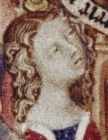
Mary de Bohun was a wife of King Henry IV of England. Born 1369. Died July 4, 1394, in Peterborough Castle.
Facts
18 facts · 0 confirmed by two sources · 12 cited · 6 from one source
Where this comes from
Papalocal keeps its own record. It started from these sources; what each one said is kept here as it was copied, so a change on their side never changes this page by itself. Tap one to read its version.
What Wikidata says · copied November 16, 2026 · revision 2556756440
- Described as
- wife of King Henry IV of England
- Born
- 1369 · 1 reference
- Died
- July 4, 1394 · 1 reference
- Died in
- Peterborough Castle
- Buried in
- England
- Cause of death
- childbirth
- Citizen of
- Kingdom of England
- Occupation
- companion
- Spouse
- Henry IV of England (1381–1394) · 2 references
- Children
- Henry V of England · 1 reference; John of Lancaster, Duke of Bedford; Humphrey of Lancaster, 1st Duke of Gloucester · 1 reference; Blanche of England · 2 references; Philippa of England · 1 reference; Edward Plantagenet · 1 reference; Thomas of Lancaster, 1st Duke of Clarence · 2 references
- Father
- Humphrey de Bohun, 7th Earl of Hereford · 1 reference
- Mother
- Joan de Bohun, Countess of Hereford · 1 reference
- Siblings
- Eleanor de Bohun · 1 reference
- Wikipedias with a page
- 31
Wikidata item Q236287 (wikidata.org/wiki/Q236287), public domain (CC0). Copied November 16, 2026.
What Wikipedia says · copied November 16, 2026 · revision 1381203857
Mary de Bohun (c. 1369/70 – 4 June 1394) was the first wife of Henry Bolingbroke, Earl of Northampton, who became King Henry IV. As she died before her husband came to the throne, Mary was never queen. She and Henry had six children together, including the future Henry V.
From the Wikipedia article “Mary de Bohun” (en.wikipedia.org/wiki/Mary_de_Bohun), by its contributors, under CC BY-SA 4.0 (creativecommons.org/licenses/by-sa/4.0/). Copied November 16, 2026; not changed.
Confirmed Two sources agree. Cited One source, and it names where it got it. One source One source, without a reference of its own. Sources disagree The sources disagree. We show the best-supported value and keep theirs below.
