
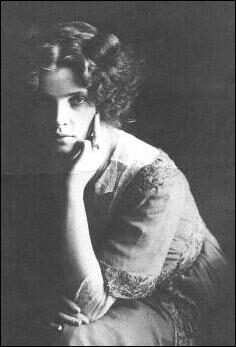
Maud Allan
Maud Allan was a choreographer. Born August 27, 1873, in Toronto. Died October 7, 1956, in Los Angeles.
Facts
11 facts · 2 confirmed by two sources · 2 cited · 7 from one source
Where this comes from
Papalocal keeps its own record. It started from these sources; what each one said is kept here as it was copied, so a change on their side never changes this page by itself. Tap one to read its version.
What Wikidata says · copied November 18, 2026 · revision 2571574377
- Described as
- choreographer (1873-1956)
- Other names
- Ulla Maude Durrant
- Born
- August 27, 1873 · 4 references
- Died
- October 7, 1956 · 6 references
- Born in
- Toronto · 1 reference
- Died in
- Los Angeles
- Citizen of
- Canada
- Occupation
- musician; stage actor; film actor; dancer · 2 references; choreographer
- Siblings
- Theodore Durrant
- Wikipedias with a page
- 15
Wikidata item Q273161 (wikidata.org/wiki/Q273161), public domain (CC0). Copied November 18, 2026.
What Wikipedia says · copied November 18, 2026 · revision 1381309687
Maud Allan (born Ulla Maude Durrant, 27 August 1873 – 7 October 1956) was a Canadian dancer, chiefly noted for her dance scene Vision of Salome (inspired by Oscar Wilde's play Salome), in which she garnered great attention by performing topless. During World War I, she sued the British MP Noel Pemberton Billing for libel after he alleged that she was a lesbian and that German agents were using her sexual orientation as grounds to blackmail her into spying on the British government. Her lawsuit was unsuccessful. The trial also resurrected public disapproval of Oscar Wilde, whose own failed libel suit had led to his arrest, conviction and imprisonment for gross indecency two decades earlier.
- Born, in its opening lines
- August 27, 1873
- Died, in its opening lines
- October 7, 1956
From the Wikipedia article “Maud Allan” (en.wikipedia.org/wiki/Maud_Allan), by its contributors, under CC BY-SA 4.0 (creativecommons.org/licenses/by-sa/4.0/). Copied November 18, 2026; not changed.
Confirmed Two sources agree. Cited One source, and it names where it got it. One source One source, without a reference of its own. Sources disagree The sources disagree. We show the best-supported value and keep theirs below.
