
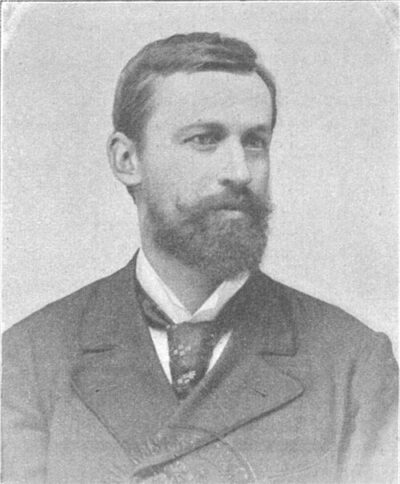
Max Fabiani
Max Fabiani was an architect. Born April 29, 1865, in Kobdilj. Died August 18, 1962, in Gorizia. Known for Prešeren Monument, Ljubljana. Educated at TU Wien. Awards include Order of the Red Eagle, Knight's Cross of the Order of Franz Joseph and Knight of the Legion of Honour.
Facts
17 facts · 1 confirmed by two sources · 2 cited · 13 from one source · 1 where the sources disagree
What’s different
- Died: we show August 18, 1962 (Sources disagree). Wikidata also lists August 14, 1962
Where this comes from
Papalocal keeps its own record. It started from these sources; what each one said is kept here as it was copied, so a change on their side never changes this page by itself. Tap one to read its version.
What Wikidata says · copied November 18, 2026 · revision 2568733285
- Described as
- architect (1865–1962)
- Other names
- Maks Fabiani, Maximilian Fabiani
- Born
- April 29, 1865 · 3 references
- Died
- August 18, 1962 · 1 reference; August 14, 1962 · 1 reference
- Born in
- Kobdilj
- Died in
- Gorizia · 2 references
- Citizen of
- Italy (1946–); Austria; Kingdom of Italy (–1946)
- Occupation
- architect · 3 references; university teacher
- Worked for
- TU Wien
- Education
- TU Wien
- Known for
- Prešeren Monument, Ljubljana
- Awards
- Order of the Red Eagle (1917); Knight's Cross of the Order of Franz Joseph; Knight of the Legion of Honour
- Spouse
- Irma Polak
- Children
- Lorenzo Fabiani
- Wikipedias with a page
- 23
Wikidata item Q597895 (wikidata.org/wiki/Q597895), public domain (CC0). Copied November 18, 2026.
What Wikipedia says · copied November 18, 2026 · revision 1377493983
Maximilian Fabiani, commonly known as Max Fabiani (Italian: Massimo, Slovene: Maks) (29 April 1865 – 12 August 1962), was a Slovenian architect born in the village of Kobdilj near Štanjel, Austro-Hungary (in present-day Slovenia). Together with Ciril Metod Koch and Ivan Vancaš, he introduced the Vienna Secession style of architecture (a type of Art Nouveau) in Slovenia.
- Born, in its opening lines
- April 29, 1865
- Died, in its opening lines
- August 12, 1962
From the Wikipedia article “Max Fabiani” (en.wikipedia.org/wiki/Max_Fabiani), by its contributors, under CC BY-SA 4.0 (creativecommons.org/licenses/by-sa/4.0/). Copied November 18, 2026; not changed.
Confirmed Two sources agree. Cited One source, and it names where it got it. One source One source, without a reference of its own. Sources disagree The sources disagree. We show the best-supported value and keep theirs below.
