
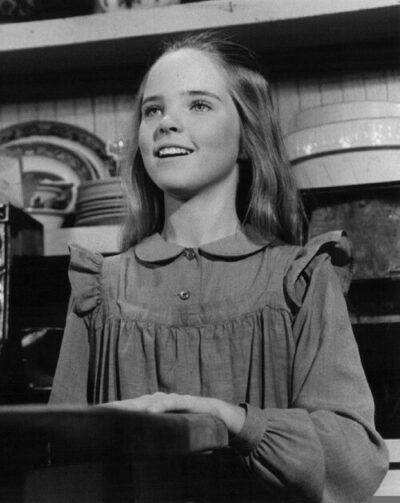
Melissa Sue Anderson
Melissa Sue Anderson is an actress. Born September 26, 1962, in Berkeley.
Facts
11 facts · 1 confirmed by two sources · 1 cited · 9 from one source
Where this comes from
Papalocal keeps its own record. It started from these sources; what each one said is kept here as it was copied, so a change on their side never changes this page by itself. Tap one to read its version.
What Wikidata says · copied November 15, 2026 · revision 2565814212
- Described as
- actress
- Born
- September 26, 1962 · 1 reference
- Born in
- Berkeley
- Name at birth
- Melissa Sue Anderson
- Citizen of
- United States; Canada
- Occupation
- actor · 2 references; television actor; film actor; voice actor; television producer · 1 reference
- Lived in
- Montreal
- Wikipedias with a page
- 31
Wikidata item Q240969 (wikidata.org/wiki/Q240969), public domain (CC0). Copied November 15, 2026.
What Wikipedia says · copied November 15, 2026 · revision 1376576576
Melissa Sue Anderson (born September 26, 1962) is an American-Canadian actress. She began her career as a child actress after appearing in several commercials in Los Angeles. Anderson is known for her role as Mary Ingalls in the NBC drama series Little House on the Prairie (1974–1983), for which she received a nomination for the Primetime Emmy Award for Outstanding Lead Actress in a Drama Series.
She is also known for film roles that include Vivian in Midnight Offerings (1981), Ginny in the slasher film Happy Birthday to Me (1981), and Alex in the ABC Afterschool Special, Which Mother Is Mine? (1979).
Anderson became a naturalized citizen of Canada in 2007. In 2010, she published The Way I See It: A Look Back at My Life on Little House, an autobiographical account of her years acting in Little House on the Prairie.
- Born, in its opening lines
- September 26, 1962
From the Wikipedia article “Melissa Sue Anderson” (en.wikipedia.org/wiki/Melissa_Sue_Anderson), by its contributors, under CC BY-SA 4.0 (creativecommons.org/licenses/by-sa/4.0/). Copied November 15, 2026; not changed.
Confirmed Two sources agree. Cited One source, and it names where it got it. One source One source, without a reference of its own. Sources disagree The sources disagree. We show the best-supported value and keep theirs below.
