
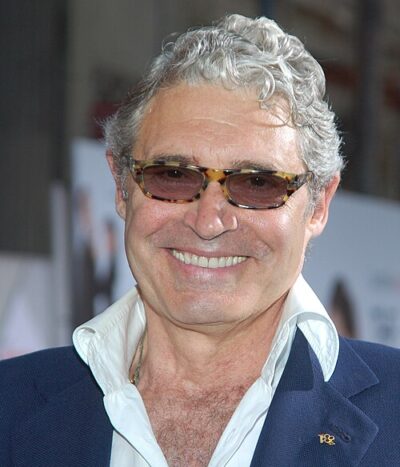
Michael Nouri
Michael Nouri is an American actor. Born December 9, 1945, in Washington, D.C.. Educated at Rollins College and Emerson College. Awards include Sitges Film Festival Best Actor award.
Facts
12 facts · 1 confirmed by two sources · 1 cited · 10 from one source
Where this comes from
Papalocal keeps its own record. It started from these sources; what each one said is kept here as it was copied, so a change on their side never changes this page by itself. Tap one to read its version.
What Wikidata says · copied November 15, 2026 · revision 2567020327
- Described as
- American actor
- Born
- December 9, 1945 · 3 references
- Born in
- Washington, D.C.
- Citizen of
- United States
- Occupation
- television actor; film actor; actor · 1 reference; stage actor · 1 reference
- Education
- Rollins College; Emerson College; Avon Old Farms School
- Awards
- Sitges Film Festival Best Actor award (1987)
- Website
- http://www.michaelnouri.com
- Wikipedias with a page
- 27
Wikidata item Q712670 (wikidata.org/wiki/Q712670), public domain (CC0). Copied November 15, 2026.
What Wikipedia says · copied November 15, 2026 · revision 1384388140
Michael Nouri (born December 9, 1945) is an American screen and stage actor. He is best known for his television roles, including Dr. Neil Roberts on The O.C. (2004-2007), Phil Grey on Damages (2007-2011), Eli David in NCIS (2008-2013), Caleb Cortlandt on All My Children (2010-2011), and Bob Schwartz on Yellowstone (2018-2020). He is also known for his starring roles in the films Flashdance (1983) and The Hidden (1987), and has appeared in several Broadway and off-Broadway plays, including the original production of Victor/Victoria. He is a Saturn Award and Daytime Emmy Award nominee.
- Born, in its opening lines
- December 9, 1945
From the Wikipedia article “Michael Nouri” (en.wikipedia.org/wiki/Michael_Nouri), by its contributors, under CC BY-SA 4.0 (creativecommons.org/licenses/by-sa/4.0/). Copied November 15, 2026; not changed.
Confirmed Two sources agree. Cited One source, and it names where it got it. One source One source, without a reference of its own. Sources disagree The sources disagree. We show the best-supported value and keep theirs below.
