
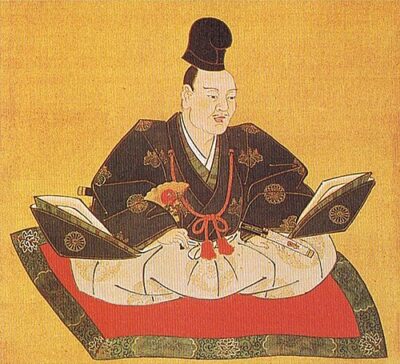
Minamoto no Yoshinaka was the 12th century samurai. Born 1154, in Musashi Province. Died February 21, 1184, in Ōmi Province.
Facts
15 facts · 2 confirmed by two sources · 0 cited · 13 from one source
What’s different
- Died: we show February 21, 1184 (Confirmed). Wikidata also lists March 4, 1184
Where this comes from
Papalocal keeps its own record. It started from these sources; what each one said is kept here as it was copied, so a change on their side never changes this page by itself. Tap one to read its version.
What Wikidata says · copied November 17, 2026 · revision 2521638082
- Described as
- 12th century samurai
- Other names
- Kiso Yoshinaka
- Born
- 1154 · 1 reference
- Died
- February 21, 1184; March 4, 1184
- Born in
- Musashi Province
- Died in
- Ōmi Province
- Citizen of
- Japan
- Occupation
- samurai; military personnel · 1 reference
- Spouse
- Fujiwara no Ishi; Yamabuki Gozen; Tomoe Gozen
- Children
- Minamoto no Yoshitaka; Minamoto no Yoshimoto; Minamoto no Yoshimune; Minamoto no Yoshishige · 1 reference
- Father
- Minamoto no Yoshikata
- Wikipedias with a page
- 27
Wikidata item Q1139202 (wikidata.org/wiki/Q1139202), public domain (CC0). Copied November 17, 2026.
What Wikipedia says · copied November 17, 2026 · revision 1381254253
Minamoto no Yoshinaka (源 義仲; Japanese pronunciation: [mʲì.nä́.mó̞.tó̞ nó̞ | jò̞.ɕí.nä̀.kä̀, -nó̞ jó̞-]; 1154 – February 21, 1184), also known as Kiso Yoshinaka (木曾 義仲), was a Japanese samurai lord mentioned in the epic poem The Tale of the Heike. A member of the Minamoto clan, he was a cousin and later rival of shogun Minamoto no Yoritomo during the Genpei War between the Minamoto and the Taira clans in the late Heian period.
- Born, in its opening lines
- 1154
- Died, in its opening lines
- February 21, 1184
From the Wikipedia article “Minamoto no Yoshinaka” (en.wikipedia.org/wiki/Minamoto_no_Yoshinaka), by its contributors, under CC BY-SA 4.0 (creativecommons.org/licenses/by-sa/4.0/). Copied November 17, 2026; not changed.
Confirmed Two sources agree. Cited One source, and it names where it got it. One source One source, without a reference of its own. Sources disagree The sources disagree. We show the best-supported value and keep theirs below.
