
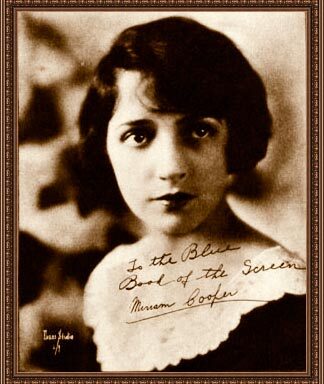
Miriam Cooper
Miriam Cooper was an American actress. Born November 7, 1891, in Baltimore. Died April 12, 1976, in Charlottesville. Educated at Columbia University and Cooper Union.
Facts
12 facts · 2 confirmed by two sources · 2 cited · 8 from one source
Where this comes from
Papalocal keeps its own record. It started from these sources; what each one said is kept here as it was copied, so a change on their side never changes this page by itself. Tap one to read its version.
What Wikidata says · copied November 18, 2026 · revision 2529803297
- Described as
- American actress (1891–1976)
- Born
- November 7, 1891 · 3 references
- Died
- April 12, 1976 · 3 references
- Born in
- Baltimore
- Died in
- Charlottesville
- Buried in
- New Cathedral Cemetery · 1 reference
- Cause of death
- stroke
- Citizen of
- United States
- Occupation
- actor · 1 reference; film actor
- Education
- Columbia University; Cooper Union
- Spouse
- Raoul Walsh (1916–1926)
- Wikipedias with a page
- 19
Wikidata item Q452455 (wikidata.org/wiki/Q452455), public domain (CC0). Copied November 18, 2026.
What Wikipedia says · copied November 18, 2026 · revision 1362881680
Miriam Cooper (born Marian Cooper; November 7, 1891 – April 12, 1976), also credited Marion Cooper, was an American silent film actress who is best known for her work in early film including The Birth of a Nation and Intolerance for D. W. Griffith and The Honor System and Evangeline for her husband Raoul Walsh. She retired from acting in 1924 but was rediscovered by the film community in the 1960s, and toured colleges lecturing about silent films.
- Born, in its opening lines
- November 7, 1891
- Died, in its opening lines
- April 12, 1976
From the Wikipedia article “Miriam Cooper” (en.wikipedia.org/wiki/Miriam_Cooper), by its contributors, under CC BY-SA 4.0 (creativecommons.org/licenses/by-sa/4.0/). Copied November 18, 2026; not changed.
Confirmed Two sources agree. Cited One source, and it names where it got it. One source One source, without a reference of its own. Sources disagree The sources disagree. We show the best-supported value and keep theirs below.
