
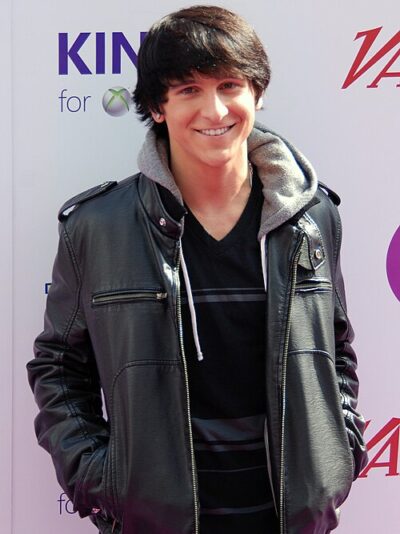
Mitchel Musso
Mitchel Musso is an American actor, singer and songwriter. Born July 9, 1991, in Garland.
Facts
15 facts · 1 confirmed by two sources · 3 cited · 11 from one source
Where this comes from
Papalocal keeps its own record. It started from these sources; what each one said is kept here as it was copied, so a change on their side never changes this page by itself. Tap one to read its version.
What Wikidata says · copied November 15, 2026 · revision 2563912292
- Described as
- American actor, singer and songwriter
- Other names
- Mitchel Tate Musso
- Born
- July 9, 1991 · 1 reference
- Born in
- Garland
- Citizen of
- United States
- Occupation
- actor · 1 reference; singer · 1 reference; voice actor; musician · 1 reference; television actor; film actor · 1 reference
- Genre
- pop music
- Instrument
- piano; voice
- Record label
- Walt Disney Records
- Siblings
- Mason Musso; Marc Musso
- Wikipedias with a page
- 39
Wikidata item Q274157 (wikidata.org/wiki/Q274157), public domain (CC0). Copied November 15, 2026.
What Wikipedia says · copied November 15, 2026 · revision 1383728692
Mitchel Tate Musso (born July 9, 1991) is an American actor and singer. He is best known for his Disney Channel roles as Oliver Oken in Hannah Montana, Jeremy Johnson in the animated series Phineas and Ferb, and his Disney XD role as King Brady on Pair of Kings as well as the host of Disney Channel's PrankStars.
He voiced DJ in the animated film, Monster House, and starred as Raymond Figg in the Disney Channel Original Movie, Life Is Ruff, released in 2005, as well as Cleatus Poole in the film Hatching Pete in 2009. Musso's self-titled debut album was released on June 2, 2009, on Walt Disney Records. The album debuted at number 19 on the Billboard 200.
- Born, in its opening lines
- July 9, 1991
From the Wikipedia article “Mitchel Musso” (en.wikipedia.org/wiki/Mitchel_Musso), by its contributors, under CC BY-SA 4.0 (creativecommons.org/licenses/by-sa/4.0/). Copied November 15, 2026; not changed.
Confirmed Two sources agree. Cited One source, and it names where it got it. One source One source, without a reference of its own. Sources disagree The sources disagree. We show the best-supported value and keep theirs below.
